Black rhinoplasty Korea won't make your nose Korean
Yes, Black patients have rhinoplasty in Korea, and the aim is a refined version of your own nose. A Korean one isn't the target. Most Black rhinoplasty Korea threads come back to one fear: that a surgeon used to East Asian faces will narrow everything and send you home with a nose that doesn't belong on your face. I operate on noses only, rhinoplasty and revision rhinoplasty, and I take care of you myself from the first consultation through surgery and aftercare.
By the end of this guide, your questions about rhinoplasty should turn into a clear next step.
Send 5 photos (front, 45-degree and side) on WhatsApp and we will reply in English with a free first assessment: the likely scope of surgery and how the estimate is worked out.
Send my photos on WhatsAppThat fear deserves a direct answer. The answer starts with your skin and cartilage, and with the parts of your nose you want to keep.
If you want to know how much your nose can change without losing its character, send a front photo and a side photo taken in daylight on WhatsApp. Add the one feature that bothers you most and the one you'd hate to lose. You can write in English.
Will a Korean surgeon give me a nose that isn't mine?
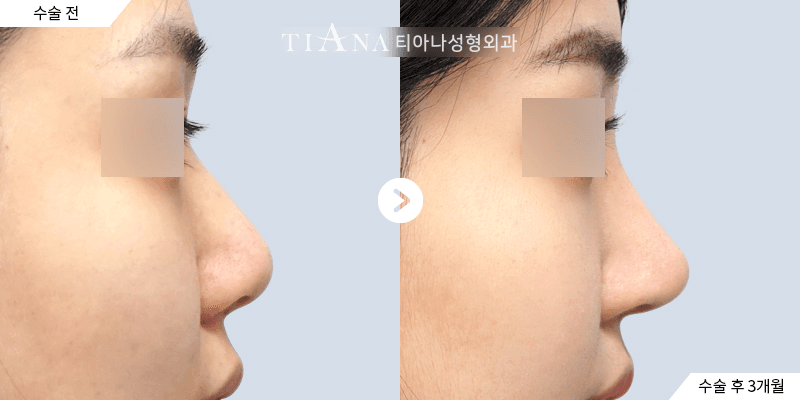
Not if the design starts from your face. The belief behind the fear is that surgeons here work from one template, narrow and high-bridged, and apply it to everyone. My rule goes the other way. I match the picture you have in mind with your bone and cartilage, design only what can be reached naturally, and aim for a nose that blends with your face from the front and from the side.
The technical side overlaps more than people expect. A 2014 review of Asian rhinoplasty in Plastic and Reconstructive Surgery Global Open describes thick skin, a low bridge and soft tip cartilage as common features. It handles them with grafts that add support and projection, not with heavy reduction. Many Black patients come in with some of the same features.
Noses within any group vary enormously, so none of this tells you about your nose in particular. What it does tell you is the general direction: features like these usually call for building structure, not carving tissue away.
It also doesn't mean you should aim for a narrower nose than you actually want. Plenty of people want a smoother bridge or a more defined tip and want their nostrils left exactly as they are. That is a complete plan on its own. For the wider set of beliefs people bring to this decision, my earlier piece on African American rhinoplasty in Korea myths and facts goes through them.
What thicker skin changes about the plan
Thick skin doesn't shrink-wrap around cartilage the way thin skin does. If a lot of tip cartilage is removed under thick skin, the skin often can't contract enough to show the new shape. The tip can then look blunter or puffier than before. For many people with thicker skin, a defined tip comes from reshaping and strengthening the cartilage, sometimes with a graft, so the skin drapes over a firmer frame.
This has two practical effects. Swelling in the tip usually lasts longer under thick skin, so the first weeks are a poor preview of the final shape. There is also a ceiling: skin thickness limits how fine a tip can look, whatever is done underneath. I'd rather you know where that ceiling sits before surgery than discover it six months later.
Doctor's note
When the skin is thick, I would rather build a tip than carve one. Removing tissue looks like the quicker way to a smaller nose, but under heavy skin it can turn a round tip into a shapeless one. How a tip reads depends on the frame underneath and its angle to the upper lip, so I design the tip, the bridge and the nasolabial angle together. A tip raised on its own tends to look stuck on.
Wondering which type your nose is?
Share your profile and front photos — the surgeon will tell you which procedures your nose would actually need. No cost, no obligation.
Ask which procedure fits meWhich option fits which nose?
Most people describe one feature. The plan depends on how several features sit together. The table pairs what you might notice in the mirror with what is usually considered for it. The combination for you is decided after an in-person exam, and before surgery 3D-CT imaging maps your bone and nasal structure.
| What you notice | What is usually considered | Trade-off to know |
|---|---|---|
| A low or flat bridge | Full rhinoplasty: a bridge implant plus tip support, designed as one profile | Too much height reads as foreign on your face |
| A round, heavy tip | Bulbous tip refinement, often with cartilage support | Thick skin limits how fine the tip gets |
| A wide bony bridge or a bump | Osteotomy to narrow the bones, with hump reduction if needed | Bone work usually adds bruising around the eyes early on |
| A short or upturned tip | Septal extension to lengthen and support the tip | Needs enough cartilage, sometimes from the rib |
| Trouble breathing through the nose | Functional rhinoplasty, planned alongside any change in shape | Mention it even if appearance is your main concern |
| Wide nostrils | Some surgeons add a separate nostril-base step | Many people keep their nostrils as they are |
The bridge can be raised with a silicone implant or with your own tissue: ear, septal or rib cartilage, dermis or fascia. Tip projection is supported with cartilage. Rib cartilage, your own or donor, is used mainly when the nose needs strong support and there isn't enough septal or ear cartilage, as in many revisions.
For men, a straighter and slightly stronger bridge with a tip that isn't lifted too far often suits the face better. I perform men's rhinoplasty with the same approach of fitting the face first. The procedure overviews on TIANA's English rhinoplasty page go through each option by concern.
How does the design stay true to your face?
Bring a reference photo, and also bring a plain photo of your face at rest. The reference shows the direction you want to go, and your bone and cartilage decide how far you can get. Before any consultation, it helps to answer two questions for yourself: which part of your nose you notice in photos, and which part you'd be upset to lose.
I'll be the one who examines you and the one who operates, and I stay with you through aftercare. If you're still comparing surgeons, the seven checks for choosing a rhinoplasty surgeon in Korea apply to any clinic, mine included. Forum threads tell you how other people felt. Reading purseforum rhinoplasty Korea threads covers how to turn those threads into questions about your own nose.
Risks and side effects to know
The common reactions are temporary. Expect swelling, bruising (more of it after bone work), a blocked feeling while the splint and inner swelling settle, and some numbness at the tip. Major swelling usually settles in about one to two weeks, and most noses look natural by about three to four weeks. Under thick skin the tip refines more slowly. The American Society of Plastic Surgeons notes on its rhinoplasty recovery page that the final shape can take up to a year to refine.
The less common risks are the ones any rhinoplasty carries. The ASPS list of rhinoplasty risks includes anesthesia risks, infection, poor wound healing or scarring, difficulty breathing, a hole in the septum, an appearance you're unhappy with, and the possible need for revision surgery. At TIANA, anesthesia is managed by an anesthesiology specialist. I also perform revision rhinoplasty, including contracture cases, so a second operation is something I discuss openly rather than avoid.
Scarring deserves a direct word for darker skin. Raised or keloid scars are more common in darker skin types, and the ear is a classic site for them. Ear cartilage is taken from that area. Rib cartilage leaves a small scar on the chest, and an open approach leaves a small one under the tip. If you have ever had a keloid, tell me at the start. It can change which tissue source makes sense for you.
In general, you should wait or talk it through first if any of these apply:
- an active infection or skin flare on or around the nose
- pregnancy or breastfeeding
- a health condition that isn't under control yet
- a recent injury to the nose
Once you're home, the U.S. CDC's medical tourism guidance advises bringing copies of your medical records and arranging follow-up with a doctor near you before you travel. If you get a fever, pain or redness that keeps getting worse, heavy bleeding, or a sudden change in your breathing, get care locally right away. How fast you heal and how the final shape settles differ from person to person.
How many nights should you plan in Seoul?
Plan on about 7 to 14 nights. The stitches and splint usually come off around day 5 to 7, and staying at least until then makes the trip much easier. The clinic is open weekdays 10:00 to 19:00 and Saturdays 10:00 to 16:00, and closed Sundays and public holidays. Check where those days fall before you book flights.
Picture it from your side. The first days are about rest, swelling and keeping your head up. Once the splint is off you'll look like yourself with a swollen nose, and the bruising around your eyes may still need concealer. You'll probably fly home before the swelling has fully gone. If you want to know what the first night after surgery actually feels like, what a rhinoplasty Korea review skips about day one walks through it.
Your first message from home
If Black rhinoplasty Korea is still a question rather than a plan for you, one more photo helps more than another week of reading. Take a photo from directly below your nose, the angle that shows nostril shape and tip width. Send it on WhatsApp with your travel window and the first question you'd ask me in person.
Frequently Asked Questions
Q1Do I need rib cartilage for my nose?
Not always. Rib cartilage is mainly used when the nose needs strong support and there isn't enough septal or ear cartilage, as in many revision and contracture cases. TIANA uses both your own rib cartilage and donor rib cartilage, and which one fits is decided after examination.
Q2Will an incision scar show on darker skin?
Scars inside the nose aren't visible. An open approach leaves a small scar under the tip, and ear or rib cartilage leaves a scar where it was taken. Raised or keloid scars are more common in darker skin, so tell the surgeon at the start if you've ever had one.
Q3I'm a man. Does the plan change?
TIANA performs men's rhinoplasty. A straighter, slightly stronger bridge and a tip that isn't lifted too far often suit a man's face better, but the design still starts from your own bone structure and features.
Q4Can I keep my nostrils exactly as they are?
Yes, that is a plan you can ask for. Many people only want the bridge or the tip refined. Say clearly at consultation which features you want left alone.
Q5Can I consult in English before I book flights?
Yes. You can message TIANA in English on WhatsApp, and the online consultation is also in English. Front and side photos are enough to start.
Thank you for reading to the end.
Send 5 photos (front, 45-degree and side) on WhatsApp for a free photo consultation. We reply in English with the likely scope of surgery and how the estimate is worked out.
Send my photos on WhatsAppThis article is general information about elective cosmetic surgery and is not a diagnosis. Results and recovery vary between individuals. Before-and-after photos are published with patient consent; surgery carries risks such as swelling and bruising and requires downtime. Final procedures and fees are decided after examination.