Korea whatclinic rhinoplasty reviews, then a consult
Reviews on WhatClinic and similar listing sites show how past patients felt about a clinic's service; they can't show you who will examine your nose, how its new shape gets decided, or what your consultation day in Seoul will involve. If you're in your forties or fifties and have been reading korea whatclinic rhinoplasty reviews, there's often a second worry you haven't typed: most reviewers look about 25, and you wonder whether a Seoul clinic will hand you a nose designed for someone half your age.
By the end of this guide, your questions about rhinoplasty should turn into a clear next step.
Send 5 photos (front, 45-degree and side) on WhatsApp and we will reply in English with a free first assessment: the likely scope of surgery and how the estimate is worked out.
Send my photos on WhatsAppTIANA Plastic Surgery in Gangnam performs only rhinoplasty and revision rhinoplasty, with no eyelids, contouring or liposuction, and I handle each patient 1:1 from the first consultation through surgery and aftercare. So I'll go through the parts that korea whatclinic rhinoplasty reviews leave out, in the order you'd meet them.
Then ask the question that's really on your mind: can the change be sized to my face?
What can a star rating tell you about a nose surgeon?
In short, it can tell you a lot about the front desk and much less about the nose. Most rhinoplasty reviews are written weeks after surgery, by someone whose skin, cartilage and bone differ from yours, about a result that is still settling.
That timing matters. The NHS guide to nose reshaping describes swelling that can take months to go down fully, so a review posted in the first few weeks describes a nose midway through healing. A glowing review and a worried one can both be early.
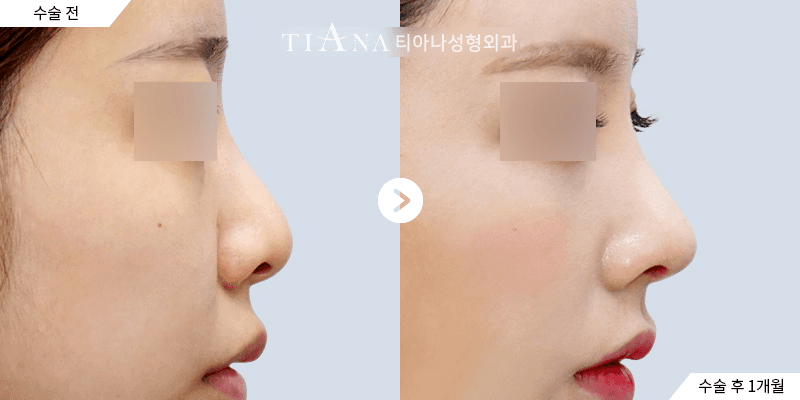
Rhinoplasty is work measured in millimetres. A couple of millimetres at the tip changes how the whole face reads, which is why I've chosen to work on noses alone. A five-star review from someone who wanted a higher bridge says very little about how a hump would be handled on your face.
So read reviews for what they can show: whether people felt listened to, whether the English or the interpretation worked, whether questions after surgery got answered. The same habit helps with long threads. I've written about how to read purseforum rhinoplasty Korea threads before you ask, and about whether the clinic forums name most often fits your nose. A search for “korea whatclinic rhinoplasty reviews” is a fine place to start a shortlist. It's a weak place to finish one.
Step one happens before you book a flight
The first conversation can happen from home. You can message us in English on WhatsApp, and there's an online consultation over Google Meet with an interpreter.
Prepare three things. A front photo and a side photo in daylight, with no beauty filter. If you have one, a photo of a nose you like. And a short note on your health: past nose injuries or surgery, any trouble breathing through your nose, and the medicines you take regularly, since some of them affect bleeding.
The reference photo is where the conversation begins. On my side, it's the starting point for matching the look you want with your bone structure and working out what can be achieved without forcing it.
Wondering which type your nose is?
Share your profile and front photos — the surgeon will tell you which procedures your nose would actually need. No cost, no obligation.
Ask which procedure fits meWho will actually be in the room on consult day?
The surgeon who examines you is the surgeon who operates on you. Because I stay with each patient from consultation to aftercare, the person who hears what you want is the person who carries it out and sees you afterwards.
Before surgery, 3D-CT imaging maps your bone and the inner structure of your nose, so the plan is drawn for your nose rather than from a standard set. For a hump, this matters. Osteotomy (narrowing or repositioning the nasal bones) is needed only if the bony bridge is wide, or if the bones need to be brought in after the hump is reduced, and that's decided after the exam with the 3D-CT.
Anesthesia is managed by a dedicated anesthesiology specialist. Wherever you go, it's a reasonable question to ask: who puts me to sleep, and who watches me while I'm asleep?
Plan your calendar around the clinic's hours. We're on Bongeunsa-ro in Gangnam, open weekdays 10:00 to 19:00 and Saturdays 10:00 to 16:00, closed on Sundays and public holidays. If you land on a Saturday evening, Monday is the first day you can be seen in person.
Surgery day brings its own surprises, and I've covered them in what a rhinoplasty Korea review leaves out about day one.
How is the shape decided when you're not 25?
By your face. I match the image you bring with your bone structure, then design the change your nose can carry. The aim is a nose that sits with your face from the front and in profile, one people don't notice first.
A tip raised on its own can look out of place, so I design the tip, any roundness and the nasolabial angle (the angle between nose and upper lip) together with the bridge. For a hump, that means the bridge line and the tip are planned as one profile.
Age changes the material. That's a reason to keep the change in proportion to the face you have now.
For height, the options are a silicone implant or your own tissue, such as ear, septal or rib cartilage, dermis or fascia, with tip projection supported by cartilage. Which combination suits you is decided after the 3D-CT and a full consultation. Trends come and go; five common beliefs about Korean rhinoplasty trends looks at which ones hold up, and why less change can be the safer choice goes into that trade-off.
Doctor's note
If you bring a reference photo of someone much younger, my advice is to name what you like in it: the straighter line, the narrower tip, the angle under the nose. A single feature can often be fitted to your own face. A whole nose copied onto an older face tends to look borrowed, and I'd rather say that in the consultation room than after surgery.
What can go wrong, and who helps once you're home?
Rhinoplasty carries real risks, and some show up after you've flown home. Plan the stay and the follow-up before you book, and leave room in both.
Risks and side effects to know
The American Society of Plastic Surgeons lists the risks of rhinoplasty, including anesthesia risks, bleeding, infection, poor wound healing, difficulty breathing through the nose, numbness, a hole in the septum, and an appearance you're unhappy with that may need revision surgery. Bruising and swelling are expected in the first weeks.
Plan about 7 to 14 nights in Seoul. Stitches and the splint usually come off around day 5 to 7, and major swelling usually settles over about 1 to 2 weeks, though how fast you heal varies from person to person. Whether surgery suits you at all is decided at the in-person exam.
The US CDC's medical tourism guidance says to get copies of your medical records, to arrange follow-up care at home before you travel, and to remember that flying after surgery raises the risk of blood clots. Before you leave, ask your family doctor whether they'll check your nose once you're back, and put that visit in your calendar.
If a result isn't what you hoped for, we perform revision rhinoplasty, including difficult cases such as contracture. A schedule fixed before anyone has examined your nose is worth questioning; when a set rhinoplasty package is the wrong fit covers why.
When you send your photos, add the dates you could be in Seoul and whether a doctor at home can see you after you return. Then ask the one recovery question that shapes your plans, such as how soon you could fly.
Questions to bring into the consult room
Reviews can't ask these for you, so write them down before you travel:
- Who operates, and who will I see after surgery?
- What in my bone, cartilage or skin limits the change?
- Which tissue would you use for height, and why that one for me?
- Who manages the anesthesia, and who watches me afterwards?
- What should a doctor at home look out for once I'm back?
There's a longer list in seven checks for choosing a rhinoplasty surgeon in Korea. Hold the answers you get up against the reviews you've read, and you'll see which parts of each review apply to your nose.
When you've finished with korea whatclinic rhinoplasty reviews, the next step is small: send a front and side photo on WhatsApp, and the surgeon will tell you which procedure your nose would actually need.
Frequently Asked Questions
Q1Am I too old for rhinoplasty in my fifties?
There's no single age cut-off. Whether surgery suits you is decided at the in-person exam.
Q2Can I consult in English before travelling to Seoul?
Yes. You can message TIANA in English on WhatsApp, and there's an online consultation over Google Meet with an interpreter before you book flights.
Q3Does TIANA do eyelid or facial contouring surgery at the same visit?
No. TIANA performs only rhinoplasty and revision rhinoplasty. There's no eyelid surgery, contouring or liposuction.
Q4How many nights should I plan in Seoul?
Plan on about 7 to 14 nights. Stitches and the splint usually come off around day 5 to 7, so staying until then makes the trip smoother.
Q5Will I need rib cartilage to fix a hump?
Not usually. At TIANA, rib cartilage is used most often in revision and contracture surgery, when earlier operations have left too little cartilage. A hump is usually treated with hump reduction and, if needed, osteotomy, decided after the exam with 3D-CT.
Thank you for reading to the end.
Send 5 photos (front, 45-degree and side) on WhatsApp for a free photo consultation. We reply in English with the likely scope of surgery and how the estimate is worked out.
Send my photos on WhatsAppThis article is general information about elective cosmetic surgery and is not a diagnosis. Results and recovery vary between individuals. Before-and-after photos are published with patient consent; surgery carries risks such as swelling and bruising and requires downtime. Final procedures and fees are decided after examination.