A big nose Korean rhinoplasty trip, week by week
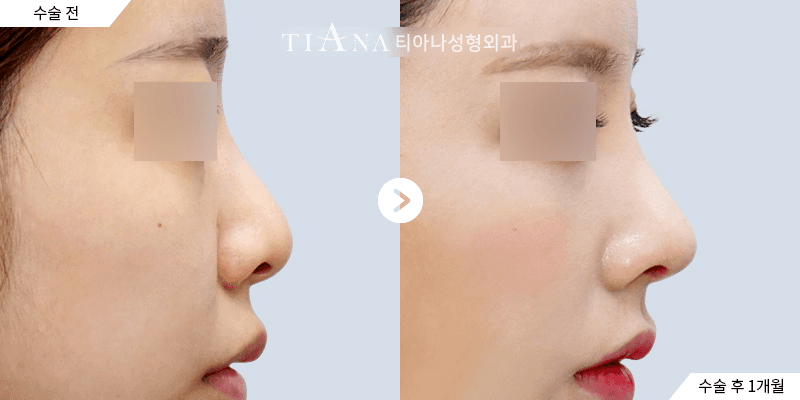
For most people, big nose korean rhinoplasty means making a larger nose look smaller and better balanced by working on the features that make it read as big: a hump on the bridge, a wide bony bridge, a round heavy tip, or a long tip that droops. For the trip, plan about 7 to 14 nights in Seoul, with the stitches and splint usually coming off around day 5 to 7.
By the end of this guide, your questions about rhinoplasty should turn into a clear next step.
Send 5 photos (front, 45-degree and side) on WhatsApp and we will reply in English with a free first assessment: the likely scope of surgery and how the estimate is worked out.
Send my photos on WhatsAppIf you're fitting surgery into a two-week school break, the question underneath this search is usually this one: will you be back in front of your class with no splint, and with a face you're willing to show?
At TIANA in Gangnam we do only rhinoplasty and revision rhinoplasty, with no eyelids, contouring or liposuction. I handle each patient 1:1 from consultation through surgery and aftercare, and anesthesia is managed by a dedicated anesthesiology specialist. On a short trip, that means the person who plans your nose is the same person you see for aftercare before you fly home.
If you already know roughly when you could travel, start with one front photo and one side photo taken in daylight on WhatsApp. Then ask the question that shapes the whole trip: is it mostly my tip, or will the bones need narrowing too?
What makes your nose look big, and why does that change your dates?
Usually it comes down to one or two features, and each calls for different work. A hump or a wide bony bridge involves bone. A heavy or long tip is cartilage work. Bone work tends to show more on your face in the first week, and that's what a traveller with a fixed return date notices most.

| What makes it look big | What is usually done | What it can mean for your trip |
|---|---|---|
| A hump on the bridge | The hump is reduced, and the nasal bones are often brought in afterwards | Bruising around the eyes is common in the first week or two |
| A wide bony bridge | Osteotomy to narrow the bone | Similar bruising; the splint protects the bones while they settle |
| A round, heavy tip | Tip refinement with cartilage | Less visible bruising, but tip swelling is usually the slowest to fade |
| A long tip that droops | The tip is reshaped and supported with cartilage | Tip stiffness and swelling for weeks after the splint comes off |
Reducing one of these on its own can throw the rest of the profile out of balance, so I plan the bridge, the tip and the nasolabial angle together. Before surgery, 3D-CT imaging maps your bone and nasal structure. Whether you need osteotomy at all is decided after that examination.
Risks and side effects to know
For travel, this is the part that moves your calendar. If your plan includes bone work, I'd lean toward the longer end of the 7 to 14 nights, so the bruising has more time to fade before you're on a plane and back at work. A tip-only plan is lighter on bruising, though the tip keeps settling long after you're home. If you want the night-by-night arithmetic, how many nights Asian rhinoplasty in Korea usually takes lays it out.
Is a Korean approach right for a larger nose?
In short, it can be, as long as the goal is proportion with your own face rather than a copy of someone else's nose. People who type "korean big nose" are sometimes Korean and sometimes not. The planning logic is the same either way: find what makes your nose look large, and change that.
The height of a bridge is chosen to fit your face, not a trend. That matters more with a bigger nose, because the pull is to take a lot away. A heavily reduced nose on a face with broad cheekbones or a strong chin can look smaller and still look wrong for that face.
Skin sets limits too. Thick skin over the tip usually hides fine cartilage changes, which is one reason reviews of Asian rhinoplasty treat skin thickness as a planning factor. If you've read that Korean rhinoplasty only suits one kind of face, myths about rhinoplasty in Korea for African American noses and beliefs about the latest Korean rhinoplasty trends take that on directly.
Doctor's note
Rhinoplasty is delicate surgery where a fraction of a millimetre changes a face, which is why I work on noses alone. With a larger nose, I'd rather remove what is making it look big and leave the rest of your face recognisable to you, from the front and from the side. The aim is a nose people stop noticing, so they look at you instead.
Wondering which type your nose is?
Share your profile and front photos — the surgeon will tell you which procedures your nose would actually need. No cost, no obligation.
Ask which procedure fits meTwo weeks in Seoul, week by week
Most of what decides the trip happens in the first week. The second week is mostly about swelling going down and choosing when you're comfortable flying.
Week one: arrival, examination, surgery and the splint
The clinic is open 10:00 to 19:00 on weekdays and 10:00 to 16:00 on Saturdays, and closed on Sundays and public holidays. If you land on a Saturday evening, nothing at the clinic happens until Monday, so a Friday arrival gives you one more usable day. Ask at booking whether your examination and surgery fall on the same day or on separate days, and build your first nights around that answer.
For the first few days after surgery, plan almost nothing. Rest with your head raised, keep your face away from crowds where someone could bump it, and go easy on salty food and alcohol, since both tend to make swelling worse. The first day after rhinoplasty in Korea is the one most reviews skip, and it's worth reading before you book a hotel.
Around day 5 to 7, the stitches and splint usually come off. For a traveller this is the turning point. Once the splint is off, a mask and a cap cover most of what's left, and you can start walking around the city again.
Week two: swelling, short walks and the flight
Major swelling usually settles over about 1 to 2 weeks, though this varies from person to person. Week two is where a budget trip pays off: gentle walks, cafés, a museum, nothing that raises your heart rate or puts your face near someone's elbow. Heavy exercise, hot saunas and anything that bends your head below your heart belong after you're home and healed.
Flying deserves its own thought. The U.S. CDC's guidance on medical tourism points out that flying after surgery raises the risk of blood clots, so ask your surgeon when it's reasonable to fly and get up and move on a long flight. How long to stay in Seoul after rhinoplasty covers the 7 to 14 night range in more detail.
Can you be back at work with no splint?
On a two-week break, usually yes. The splint is normally off by around day 5 to 7, and by the time you're home the main swelling has often gone down. What can remain is a slightly puffy tip, a faint yellow bruise under the eyes after bone work, and a nose that feels stiff.
The final shape takes much longer. The American Society of Plastic Surgeons notes in its rhinoplasty recovery guidance that the new contour can keep refining for up to a year. So your first day back at work is a nose that's still recovering, and that is expected.
If your break is under a week, it doesn't fit this surgery. Seven nights is the bottom of the range, and that assumes nothing goes off plan. Some people hope a closed approach will shorten all of this; six common myths about closed rhinoplasty in Korea explains what the incision changes and what it doesn't.
When you write, put the first and last day of your break in the message and mention any nose surgery or broken nose you've had before. Those two lines tell you far sooner whether your dates and your nose belong in the same plan.
What can go wrong once you've flown home?
Most problems after rhinoplasty show up in the first days, while you're still in Seoul, but some appear later. The American Society of Plastic Surgeons lists the risks, including bleeding, infection, poor wound healing, anesthesia risks, difficulty breathing through the nose, numbness, skin discoloration and swelling, an appearance you're unhappy with, and the possibility of revision surgery.
Once you're home, a few signs need a doctor that same day: a fever, pain that gets worse instead of better, bleeding that doesn't stop with gentle pressure, or a sudden change in your breathing. See a local doctor or go to an emergency department for those, rather than waiting on a message from abroad.
The CDC's advice for medical travellers is to bring copies of your medical records home. In practice that means your surgery summary, the list of medicines you were given and the dates of each visit. Before you book, ask how questions are handled after you've gone home, so you know the route before you need it.
If the shape needs correcting later, revision rhinoplasty is part of our work here, including difficult cases such as contracture. Forum stories rarely cover this stage, so what purseforum rhinoplasty Korea threads leave out is worth reading before you decide. How your nose heals varies between individuals, and whether bone work, tip work or both suits you is decided at the in-person examination.
Doctor's note
I'd rather you plan the flight home as part of the surgery, not as the end of it. A nose that was narrowed at the bone needs protecting for weeks, and that includes the airport, the overhead bin and the first crowded train back home. If your schedule only works when nothing goes off plan, give it a few more days.
Why a nose-only clinic suits a short trip
A short trip leaves no room for handovers. At TIANA you meet one surgeon for the consultation, the surgery and the aftercare, and a dedicated anesthesiology specialist manages anesthesia. Because we perform only rhinoplasty and revision rhinoplasty, every case here is a nose.
The 3D-CT imaging before surgery maps your bones, and with a big nose that's usually the question the whole plan turns on. You can write to us in English on WhatsApp and have an online consultation with the surgeon in English before you buy a ticket. The clinic is at 108 Bongeunsa-ro in Gangnam, Seoul.
Before you book the flight
If you're weighing big nose korean rhinoplasty against a fixed school break, settle three things before you buy a ticket. First, an arrival that isn't a Saturday evening or the eve of a public holiday, since the clinic is closed on Sundays and holidays. Second, a stay toward the longer end of 7 to 14 nights if your nose has a hump or a wide bony bridge. Third, a doctor near home you could see if something comes up, and a folder for the records you'll bring back.
If one fear is still holding you back, make it the first line of your WhatsApp message and ask it before anything else.
Frequently Asked Questions
Q1Will my nasal bones have to be broken?
Only if the plan needs it. Osteotomy is used when the bony bridge is wide, or when a hump is reduced and the bones need to be brought in. Whether that applies to you is decided after examination with 3D-CT imaging.
Q2My nose is wide and low rather than long. Is that still a big nose plan?
Yes, it's a common version of a nose that reads as big. A wide bony bridge can be narrowed with osteotomy, and a low bridge is usually raised with an implant plus tip support so the bridge and tip read as one profile. Your skin, cartilage and bone set how far it can go.
Q3Can I consult in English before I travel?
Yes. You can message in English on WhatsApp, and the online consultation with the surgeon is also in English.
Q4Can I go sightseeing during the stay?
Gentle sightseeing usually fits the second week, once the splint is off. Keep to walks and places where you won't get bumped, and leave hiking, gyms and saunas until your surgeon says the nose has healed enough.
Thank you for reading to the end.
Send 5 photos (front, 45-degree and side) on WhatsApp for a free photo consultation. We reply in English with the likely scope of surgery and how the estimate is worked out.
Send my photos on WhatsAppThis article is general information about elective cosmetic surgery and is not a diagnosis. Results and recovery vary between individuals. Before-and-after photos are published with patient consent; surgery carries risks such as swelling and bruising and requires downtime. Final procedures and fees are decided after examination.