Rhinoplasty photo consultation: which 5 photos
A rhinoplasty photo consultation is the first step most overseas patients take with TIANA Plastic Surgery in Seoul: you send five photos of your nose on WhatsApp, and the clinic replies in English with the likely direction. You do not need good photos. You need the right angles, and this guide shows which ones and why.
By the end of this guide, your questions about rhinoplasty should turn into a clear next step.
Send a front and side photo on WhatsApp and we will reply in English with a free first assessment: the likely scope of surgery and how the estimate is worked out.
Send my photos on WhatsAppTIANA works only on noses, first-time rhinoplasty and revision, and one surgeon handles each patient from consultation to surgery to aftercare.
Which five photos does a rhinoplasty photo consultation need?
| Photo | How many | What the surgeon looks at |
|---|---|---|
| Front | 1 | Width, symmetry, size of the nostrils and alar base |
| 45-degree, left and right | 1 each | Line of the bridge, roundness of the tip |
| Full 90-degree profile, left and right | 1 each | Bridge height, tip angle, any hump |
Take all five without makeup. Foundation and contouring change how the shape of the nose and the skin look on camera.
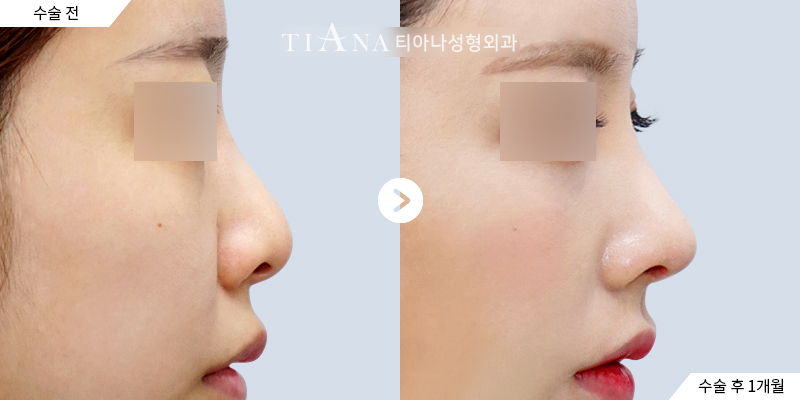
Results vary between individuals. Photos are published with the patient's consent.
How do you take a usable selfie?
The front camera is fine. Hold the phone at arm's length so the lens is not right up against your face. At close range the nose, which sits in the middle of the frame, looks bigger than it is.
A few small things help:
- Stand somewhere bright, facing the light.
- Pull your hair back so the area from the brow to the nose tip is clear.
- Take glasses off.
- Keep your chin level, not tilted up or down.
Wondering which type your nose is?
Share your profile and front photos — the surgeon will tell you which procedures your nose would actually need. No cost, no obligation.
Ask which procedure fits meWhy is the full profile the most important photo?
Of the five, the 90-degree profile carries the most information. Bridge height, tip projection and the angle between the nose and the upper lip all show in that one photo.
A slight turn changes how high the tip looks, so if someone can take it for you, ask them to stand directly to your side, far enough back to fit your shoulders in.
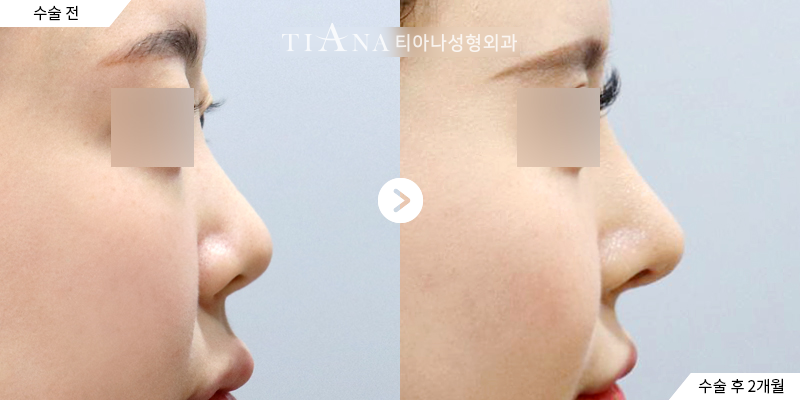
Results vary between individuals. Photos are published with the patient's consent.
Common mistakes that make nose photos hard to read
Most photos we cannot use well have one of a few simple problems, and all of them are easy to fix before you press send.
- Too close. A selfie taken at a short distance stretches the middle of the face, so the nose looks wider and longer than it is.
- A slight angle on the profile. Turning even a little toward the camera hides the true height of the bridge and the projection of the tip.
- Filters and beauty modes. Many phone cameras smooth the skin and slim the nose automatically. Turn these off, or the photo shows a nose you do not have.
- Makeup and contouring. Shading along the bridge changes how straight or high it looks.
- Hair, glasses or a hand in the way. The brow, the bridge and the nostrils should all be visible.
- Dark rooms. Strong shadows can look like a hump or a dip that is not there.
If you are not sure a photo worked, compare it with the table above. If you can see what the surgeon needs to see in each angle, it is good enough.
If you have had nose surgery before
For revision cases, the history decides more of the plan than the photos do. Along with the five current photos, it helps to send:
- Any photos from before your first surgery, if you still have them.
- Whatever you know about the earlier operation: roughly when, how many times, and whether an implant or cartilage was used.
- What bothers you now, in your own words, for example a tip that has become short and hard, a bridge that has shifted, or an implant outline you can see.
You do not need medical records to start. Not knowing what was used is common, and the 3D-CT scan at the clinic shows what is inside the nose. TIANA treats revision and contracture cases as well as first-time surgery, so a previous operation elsewhere is not a reason to hold back from asking.
How to use a reference photo
A reference photo of a nose you like is optional, and it is useful as long as it is read as a direction rather than a template. The same height or tip shape looks different on a different face, skin thickness and bone structure. When you send one, add a line about what you like in it, such as the straight bridge or the softer tip, so the reply can focus on that part.
What should you send along with the photos?
If you have had nose surgery before, your history matters as much as the photos. Write down roughly when, how many times, and which materials were used, if you know. Gaps are fine; the 3D-CT scan at the clinic shows what is inside.
It also helps to add:
- The area you want to change, or the procedure you have in mind.
- When you are thinking of travelling.
- Any medical conditions or allergies.
- A reference photo of a nose you like, if you have one.
What can photos decide, and what needs the clinic?
When your photos arrive, the surgeon looks at them first and the clinic tells you the likely direction and how the quote is worked out. Photos cannot give a final diagnosis or a final quote, because skin thickness, bone and cartilage do not show on camera.
At the in-person consultation in Seoul, a 3D-CT scan checks the bone structure and skin thickness, the surgeon examines you, and you then receive the surgical plan and the quote. TIANA does not offer video consultations. The in-person consultation carries a surgeon's consultation fee; bring your passport, and an interpreter joins at your booked time.
Which procedures a plan can include is covered in Korean nose jobs: who they suit and how they work, and the trip itself in how many nights to plan for rhinoplasty in Korea.
What happens after you send the photos
The steps after the photos are simple:
- The surgeon reviews them and the clinic replies in English with the likely direction and anything that needs checking in person.
- An in-person consultation is arranged. The clinic checks the surgeon's schedule and offers one or two time slots. Once one is confirmed, you receive the details, with a reminder the day before and on the day.
- After the consultation, you receive the plan organised into the surgery, the cost and the instructions to follow.
If you need to cancel or move a slot, tell the clinic on WhatsApp as early as you can. Sending photos costs nothing and commits you to nothing, so it is fine to ask first and decide later.
Questions to ask any clinic about a photo consultation
- How many photos, and at which angles?
- Who actually looks at them: the surgeon who will operate, or a coordinator?
- Does the clinic say clearly what photos can and cannot decide?
- Does it ask about earlier surgery in detail?
A clinic that gives a final price from a single selfie is guessing. One that asks for the angles and your history is starting from your nose.
What to send next
Five photos without makeup, a line about any earlier nose surgery, and your possible travel dates are enough to start. Send them on WhatsApp and the clinic replies in English, free. For more on the procedures themselves, see tip plasty in Korea or go back to TIANA's English site.
Frequently Asked Questions
Q1How many photos do I need for a rhinoplasty photo consultation?
Five: one front view, a 45-degree view from each side and a full 90-degree profile from each side. Take them without makeup so the shape of the nose and the skin show as they really are.
Q2Can I use the front camera for a selfie?
Yes. Hold the phone at arm's length so there is some distance between the lens and your face. At close range the nose, which sits in the middle of the frame, looks larger than it is.
Q3Can I get a final quote from photos alone?
No. Photos let the surgeon see the likely direction, but skin thickness, bone and cartilage do not show on a photo. The surgical plan and quote are confirmed after a 3D-CT scan and an in-person exam in Seoul.
Q4Do you offer video consultations?
No. TIANA does not offer video calls. You send photos on WhatsApp, the clinic replies in English, and the surgeon examines you in person at the clinic in Seoul.
Thank you for reading to the end.
Send front and side photos on WhatsApp for a free photo consultation. We reply in English with the likely scope of surgery and how the estimate is worked out.
Send my photos on WhatsAppThis article is general information about elective cosmetic surgery and is not a diagnosis. Results and recovery vary between individuals. Before-and-after photos are published with patient consent; surgery carries risks such as swelling and bruising and requires downtime. Final procedures and fees are decided after examination.