Is a Nose Job Worth It? Yes, for One Fixable Feature
"If I spend two years of savings on this and still don't like my nose, what then?"
30-second check
Check which procedure fits your nose
Pick what applies. Related procedures appear, and you can send your answers straight to WhatsApp. No name or email needed.
Pick at least one concern to see the related procedures.
Send this on WhatsAppWhatsApp opens with your answers already typed. Then send 5 photos (front, both 45-degree angles, both sides) and, if you have one, a photo of the nose you would like.
Not opening? Copy the message and open WhatsAppPeople ask that in many forms before nose surgery. The thought underneath is quieter: maybe nobody else even sees what I see, and I'm about to pay for an operation on a problem that lives in my head.
So is a nose job worth it? It usually is when one feature you can point to bothers you (a hump, a round tip, a low bridge), surgery can physically change that feature, and you can afford the nights away plus the possibility of a second operation. It usually isn't when the goal is a different face or a different life.
Hello, I'm Dr. Choi Hang-seok, Head Surgeon at TIANA Plastic Surgery in Seoul.
I operate only on noses: rhinoplasty and revision rhinoplasty, nothing else. That narrow focus is why I can tell you at the consultation how far your nose can change and where it is better to stop. The plan is set from a 3D-CT scan and an exam in Seoul, the doctor who consults with you is the one who operates, and he manages the anesthesia himself.
If you can already name the feature, send five photos on WhatsApp (front, both 45-degree angles, both sides) with one line on what bothers you. The reply comes in English, and you can ask before booking anything.
What makes a nose job worth it for one person and not another?
Three things have to line up: a feature you can name, a structure that surgery can change, and a cost in time and risk you can carry.
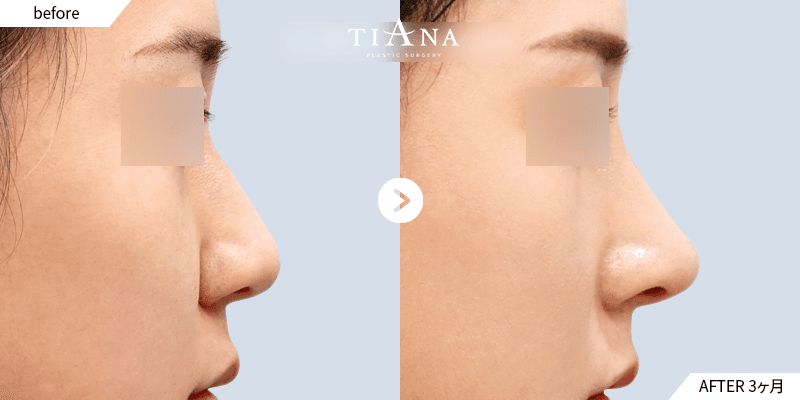
Think of a tailor. A tailor can take in a jacket that's too wide at the shoulder or shorten a sleeve by a centimeter. A tailor can't turn it into a different jacket. Nose surgery works on bone and cartilage in the same way: it lowers a hump, narrows a wide bony bridge, reshapes or supports the tip cartilage, raises a low bridge. The skin on top is the cloth I have to work with, and thick skin hides fine cartilage work that thin skin would show.
Bone, cartilage and skin thickness differ a lot between people, so the same operation name can need different steps. That's why two people who both ask for a smaller tip can get different answers from me. Which type of nose suits which operation is laid out in my post on who a Korean nose job suits, by nose type.
Say you're 26 and the thing you see in every side-on photo is a bump on the bridge. That's bone and cartilage, and lowering it is a change surgery can make. Now say what you want is a nose that looks more elegant, and you can't point to where. I can't design from that, and I'd ask you to keep looking at your own photos until you can.
Four situations where I'd tell you to wait
The goal is somebody else's nose. A reference photo is useful. I compare it with your bone structure and set only the range your anatomy can reach. If the photo is the whole goal and the reachable range disappoints you on paper, it will disappoint you more after surgery.
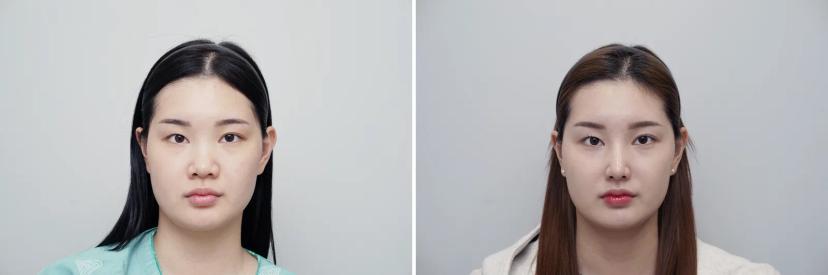
Example case (bulbous tip, short nose): front view before surgery (left) and 3 months after (right). Procedures: silicone bridge implant, tip with septal and donor rib cartilage, bulbous tip refinement, short-nose correction, osteotomy, columella and nasolabial angle adjustment. Results vary between individuals; swelling, bruising, asymmetry and infection are possible risks. Shared with the patient's consent.
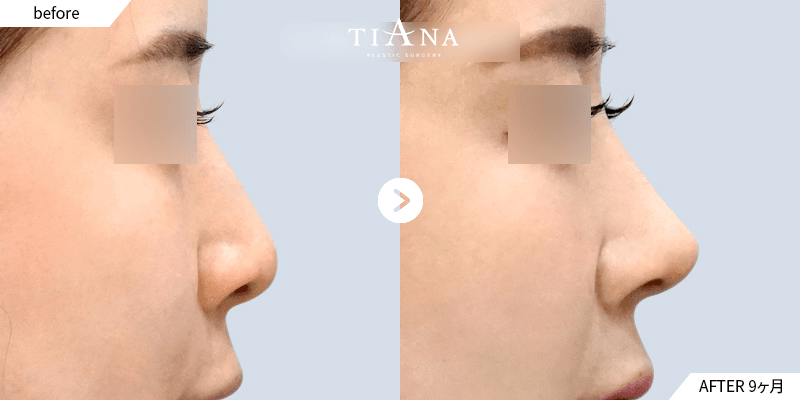
Thick skin, and a wish for a very small, sharp tip. Cartilage can be narrowed and supported, but thick skin softens every edge underneath it. The change is real, and it is smaller than the picture in your head. I've written separately about what a bulbous nose job can do with thick skin.
A deadline four weeks away. A wedding, a job start, a graduation photo. The UK's National Health Service tells patients it can take up to six months for the swelling to go completely, and the tip is the last part to settle. Surgery timed to a date a month out is surgery you'll judge too early.
The worry takes hours of your day, or the idea came from someone else. If you check mirrors and photos for long stretches and the people close to you can't see the problem, an operation rarely quiets that. Talk to your own doctor first. The same goes for surgery that a partner or a parent wants more than you do.
Doctor's note
Raising only the tip, or pushing one part as far as it will go, makes a nose look separate from the face around it. I would choose a smaller change that sits with your features over a larger one you have to explain. When the change you're asking for is past what your skin and cartilage will hold, I'll tell you at the consultation, and I'd treat that answer as a reason to pause.
Wondering which type your nose is?
Share your front, 45-degree and side photos — the surgeon will tell you which procedures your nose would actually need. No cost, no obligation.
Ask which procedure fits meBreathing trouble, asymmetry, a second surgery: the real risks
Swelling, bruising around the eyes, a blocked nose and a numb tip are expected in the early weeks and fade gradually. Soreness is part of it too, and I've described how much a nose job hurts when bone is involved in a separate post.
The risks that last longer are the ones to weigh against what you'd gain. Plastic surgery societies list them plainly: infection, poor scarring, lasting numbness or a change in skin sensation, difficulty breathing, a hole in the septum (rare), a shape you're unhappy with, and the possibility of revision surgery.
Some people should wait or skip it, as a general rule: anyone with an active infection in or around the nose, a bleeding disorder or blood-thinning medication that can't be paused, a pregnancy, or a smoking habit they can't stop around surgery. A nose operated on within about the last year is usually still settling, and a revision is planned after that.
How a nose heals differs from person to person, which is why I don't quote one recovery period. What I can tell you is who handles what once you're home. If you fly on day 7, you leave with a referral letter and a surgery certificate so a doctor at home can remove the stitches inside the nose around day 14. For fever, pain that grows after it had been fading, pus, or bleeding that won't stop, see a local doctor the same day, show the certificate, and message us photos on WhatsApp.
Worried about one of these in particular, such as breathing through one side or an earlier operation? Add it to your message with the year of that surgery and a photo taken from below the nostrils in daylight.
Is it worth the money? What decides the cost
Three things move the quote: the scope (tip only, or bridge and tip together), the state of your nose (how much cartilage there is, how thick the skin is), and whether it's a first operation or a revision. I quote only what your nose needs.
Then there's the part no quote shows. A plan with a lower figure can end up costing more if a revision follows: a second fee and a second trip. Add your own costs as well: 7 to 14 nights in Seoul, leave from work, and the months before the swelling is gone. A cast on your face limits sightseeing, so don't count the week as a holiday when you weigh it up.
How the estimate is put together is in how a nose job quote in Korea is built. For a number that fits your own nose, ask on WhatsApp with your five photos. Deposit and payment method are settled after the consultation, so put that question in the same message.
What the days in Seoul ask of you
Plan for 7 to 14 nights. On the first day you come in for the consultation and any tests, we settle the design and the cost, and surgery follows. In the days after, the gauze inside the nose comes out and I check the swelling. Around day 7 the cast and the outer stitches come off.
One thing to do before you book flights: put your day 7 on a calendar. The clinic is open 10:00 to 19:00 on weekdays and 10:00 to 16:00 on Saturdays, and closed on Sundays and public holidays. Check that your cast-removal day isn't one of those before you pay for a ticket.
The outline for overseas patients is on the rhinoplasty in Korea page for foreign patients.
If you want to see how real noses changed and how many months after surgery each photo was taken, browse TIANA's rhinoplasty case gallery before your consultation.
What should you ask any clinic before deciding?
- Will the doctor I consult be the one who operates and checks my recovery?
- What is the plan based on: photos only, or a CT scan of the bone and airway as well?
- Who gives the anesthesia?
- Does the clinic take on revisions, including noses first operated on elsewhere?
- If I fly home before the last stitches are out, what documents do I leave with?
- Is an interpreter there for the consultation, and does it cost extra?
You can take this list to any surgeon in any country. A clinic that answers all six plainly has given you most of what you need to decide.
My own position: a nose job is worth it for a small, specific change that your anatomy allows, and a poor trade for a large, vague one. Rhinoplasty is surgery where a fraction of a millimeter changes a face, which is why I do nothing else and why I'd sooner tell you where to stop. Nothing about this has a deadline. A nose that has bothered you for ten years can be thought about for another three months.
An interpreter joins your in-person consultation. What settles the answer for you is your bone, your cartilage and the thickness of your skin, and that is what the 3D-CT and the exam in Seoul are for. To start, send your leave dates and the five photos on WhatsApp, and ask the question this page opened with about your own nose: what could change, and what wouldn't.
— Dr. Choi Hang-seok, Head Surgeon
Cases close to this concern
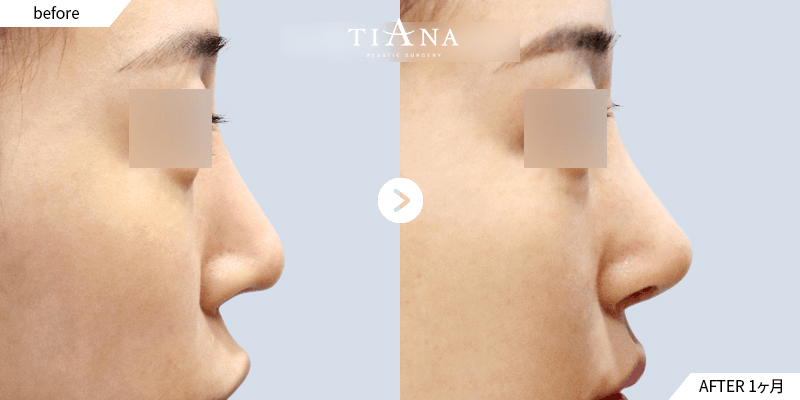
Drag the handle to compare before and after
TIANA case, shared with the patient's consent. Results vary.
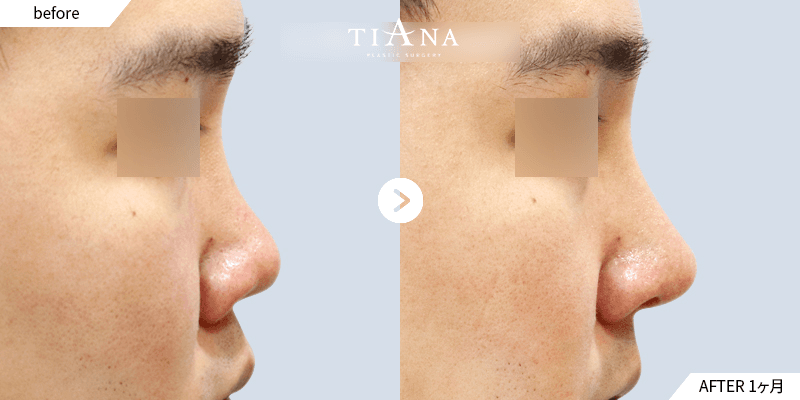
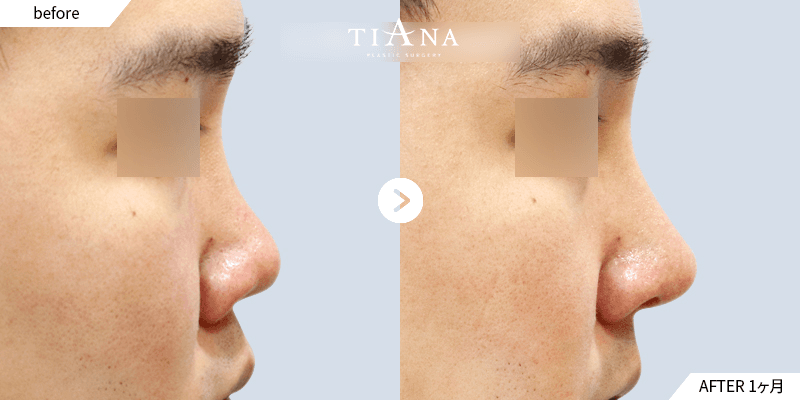
Before and after at TIANA (shared with patient consent) 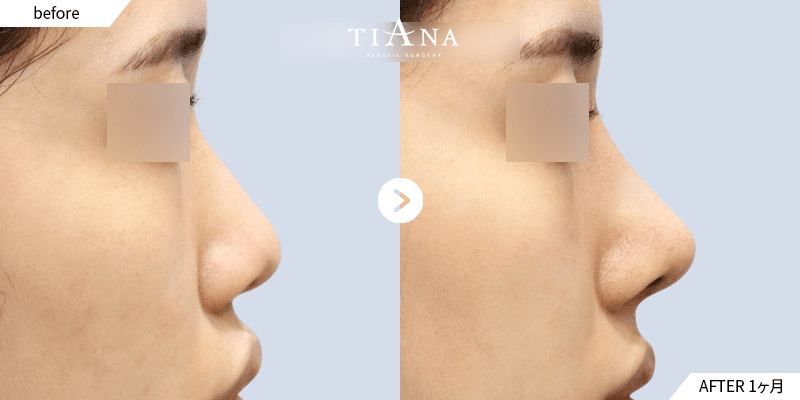
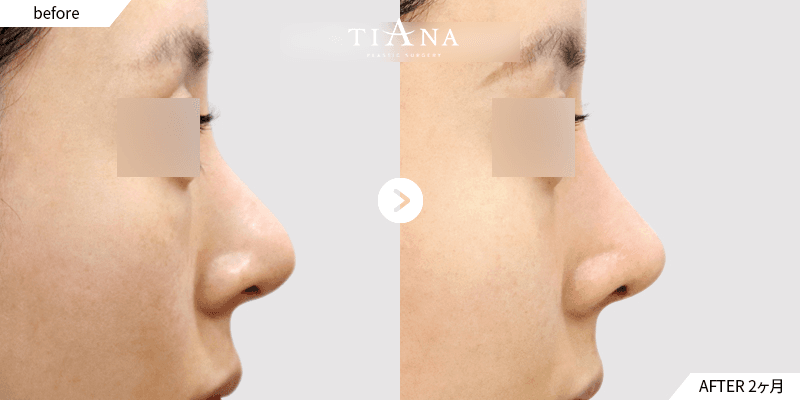
Before and after at TIANA (shared with patient consent) 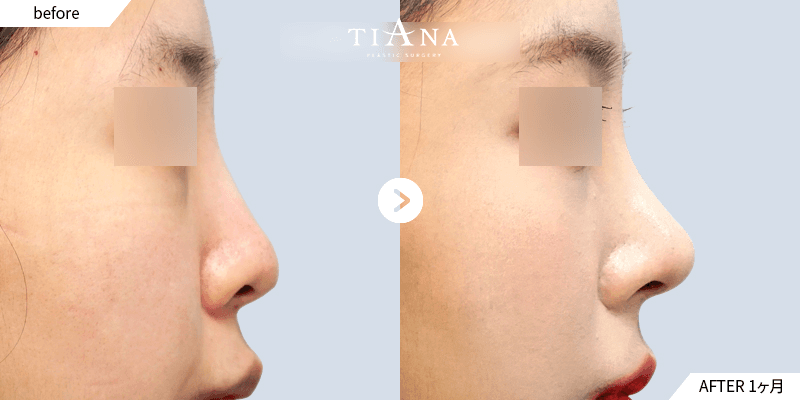
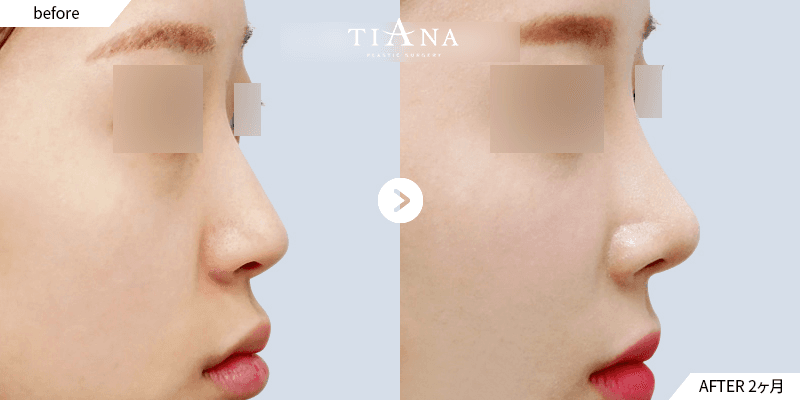
Before and after at TIANA (shared with patient consent)
* Results vary between individuals. Photos show TIANA patients.
See more cases →Korean patients talk about their surgery
Videos from Korean patients who had surgery at TIANA (Korean, YouTube). Patients from Japan, Taiwan and English-speaking countries also contact us every month on LINE and WhatsApp.


Read TIANA reviews on Google Maps
Start from your concern
Bridge concerns and what is considered
- Current shape
- Design direction (illustration)
Illustration only, not a result and not to scale.
What to consider
Silicone implant or own tissue
Low, flat bridge
From first message to flying home
Photo consult on WhatsApp
Send 5 photos and a photo of the nose you would like. The free reply in English explains the likely scope and how the estimate is worked out.
Video consult (optional)
On Google Meet you talk with the surgeon first, then the consultation manager explains the estimate. Free, with an interpreter.
Visit and 3D-CT
A 3D-CT scan and the surgeon's examination confirm the final plan and fee. An interpreter joins the consultation.
Surgery
The surgeon who consulted you performs the surgery and also manages the anesthesia.
Day 7 and day 14
The splint and outer stitches come off around day 7, the inner stitches around day 14. After you fly home, send progress photos on WhatsApp.
FROM THE SURGEON
A word from the surgeon
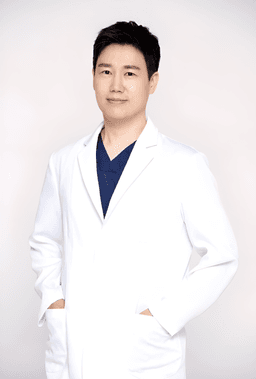
Bone, cartilage and skin thickness differ a lot between people, so the same operation name can need different steps.
Because I only treat noses, I can tell you at the consultation not just how far your nose can change, but where it is better not to push further.
Frequently asked questions
Q1Is surgery worth it for a small bump on the bridge only?
It can be, if the bump is the one thing you see in photos. Know that a small hump is still an operation on bone and cartilage: once the hump is lowered the nasal bones sometimes need to be narrowed to close the gap, and the cast, the stitches and the nights in Seoul are the same as for a larger change.
Q2How long before I can tell whether my nose job was worth it?
The outline shows when the cast comes off, but that is a swollen nose. The NHS tells patients swelling can take up to six months to go completely, and the tip is the last part to settle. Judge the shape from photos taken months apart, in the same light, and hold off on a verdict in the first weeks.
Q3Does the same reasoning apply to men?
Yes. The three tests are the same: a feature you can name, a structure surgery can change, and time and risk you can carry. What differs is the design. Many men want a hump lowered or a tip refined while keeping a straight, strong bridge, so say that in your first message along with your photos.
Q4What if I regret it? Can a nose job be redone?
A revision is possible, and TIANA takes revision cases, including noses first operated on elsewhere. It is harder than a first operation because of scar tissue and less spare cartilage, and it is usually planned only after the nose has settled, commonly around a year. That is the main reason to get the scope right the first time.
Thank you for reading to the end.
Send 5 photos (front, 45-degree and side) on WhatsApp for a free photo consultation. We reply in English with the likely scope of surgery and how the estimate is worked out.
Send my photos on WhatsAppThis article is general information about elective cosmetic surgery and is not a diagnosis. Results and recovery vary between individuals. Before-and-after photos are published with patient consent; surgery carries risks such as swelling and bruising and requires downtime. Final procedures and fees are decided after examination.