5 myths about Korea whatclinic rhinoplasty surgeons
If you searched "korea whatclinic rhinoplasty surgeons", a listing page is a reasonable place to start a shortlist. Its stars and badges can't show you whether a surgeon's design fits your face. They also can't answer the question that keeps many people scrolling late at night: if the tip looks wrong on day 20 and you're already home, who do you talk to?
By the end of this guide, your questions about rhinoplasty should turn into a clear next step.
Send 5 photos (front, 45-degree and side) on WhatsApp and we will reply in English with a free first assessment: the likely scope of surgery and how the estimate is worked out.
Send my photos on WhatsAppAt TIANA Plastic Surgery in Gangnam, Seoul, we perform rhinoplasty and revision rhinoplasty only, and one surgeon handles you one-to-one from consultation through surgery and aftercare. I'd test the five beliefs below against every name on a shortlist, including ours.
If you're comparing names tonight, send a front photo and a side profile on WhatsApp. Ask the one thing a listing can't tell you: what your nose would actually need.
Clinic address: ソウル特別市 江南区 奉恩寺路108
Myth 1: does a five-star surgeon on a listing suit your nose?
A rating tells you how a visit felt to the people who wrote about it. It can't tell you whether that surgeon's idea of a good nose matches your bone, cartilage and skin.
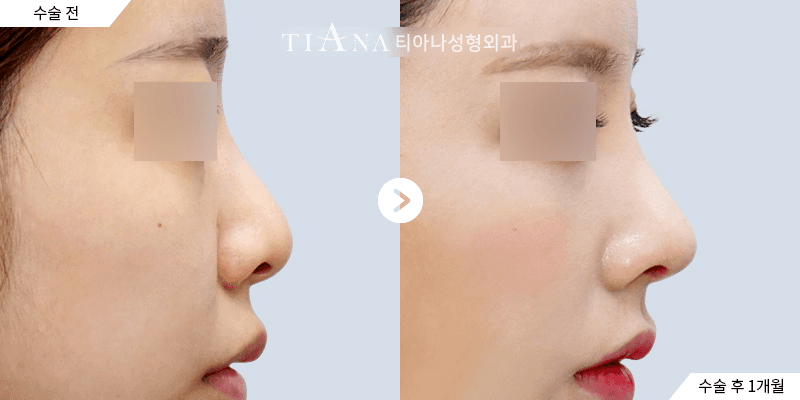
Rhinoplasty is delicate work, and a fraction of a millimetre changes how a face reads. When someone brings me a reference photo, I match the look they want with their anatomy. Then I design what their face can carry without looking operated on. A five-star average says nothing about that step.
Use a listing for what it does well: finding clinics that treat noses and collecting names to research. Then read the reviews with a filter. One guide covers what a rhinoplasty Korea review skips about day one. Another shows how to turn korea whatclinic rhinoplasty reviews into consult questions. A third asks whether the clinic the forums keep naming is right for your nose.
Myth 2: is a clinic that offers every procedure more experienced with noses?
A long menu tells you a clinic is busy. It doesn't tell you how many noses, or how many revisions, the surgeon you'd meet handles.
That's why TIANA chose to do noses only. We don't do double eyelids, facial contouring or liposuction. Every case here is a rhinoplasty or a revision, so case experience and technique keep building in one place.
On any listing, check what each clinic's own website says it treats. Then ask how often the surgeon does the specific thing you need: a hump reduction, a bulbous tip refinement, or a revision after contracture. If your concern is only the tip, read what tip plasty involves before you message anyone. "Just the tip" sometimes turns out to involve the angle where the nose meets the lip.
Wondering which type your nose is?
Share your profile and front photos — the surgeon will tell you which procedures your nose would actually need. No cost, no obligation.
Ask which procedure fits meMyth 3: will the doctor you message be the one who operates?
Don't assume it from a profile photo. Ask each clinic on your shortlist four short questions. Who examines you? Who operates? Who gives the anesthesia? Who do you contact if something looks off after you've flown home?
Here are my answers. I see each patient one-to-one from the first consultation through surgery and aftercare. Anesthesia is managed by a dedicated anesthesiology specialist. Before surgery, 3D-CT imaging maps the bone and nasal structure, so the plan rests on your anatomy as well as your photos.
The anesthesia question is easy to forget when you're looking at faces and stars. The American Society of Plastic Surgeons includes anesthesia risks in its list of possible rhinoplasty complications, so it deserves a direct answer from every clinic you consider. You'll find more questions in seven checks for choosing a rhinoplasty surgeon in Korea.
Myth 4: do Korean surgeons all give you the same nose?
In short, they shouldn't. A trend nose placed on a face that can't carry it is the kind of nose people notice from across a room.
The look I try to avoid is a tip lifted on its own while everything around it stays the same. A raised tip on a round base, or a tall bridge on thick skin, reads as surgery. So I design the bridge, the tip, any bulbous shape and the nasolabial angle together. My aim is a nose that blends into your own face, seen from the front and from the side.
The materials follow the plan. A bridge can be raised with a silicone implant or with your own tissue, such as ear, septal or rib cartilage, dermis or fascia. Which combination suits you is decided after a 3D-CT scan and a full consultation. If you're drawn to subtle change, read when less change is the safer choice. It covers where that approach stops.
Doctor's note
When a reference photo and a patient's anatomy disagree, I go with the anatomy. I would rather suggest a bridge that still looks like yours than build a height your skin and cartilage will struggle to hold. A nose that fits your face is one you stop thinking about after a while, and that's what I'm designing for.
Myth 5: can you fly home the day the splint comes off?
Many people can fly soon after. But the splint coming off is a checkpoint, not the end of recovery.
For rhinoplasty, I ask patients to plan about 7 to 14 nights in Seoul. Stitches and the splint are usually removed around day 5 to 7. Major swelling usually settles in about 1 to 2 weeks. The American Society of Plastic Surgeons describes the nasal contour continuing to refine for months after that, so the nose you see at the airport is not the final one.
Picture your own leave. A 7-night stay is the shortest end of that range and gets you past splint removal. A 14-night stay gives the visible swelling a second week to settle before you're back at your desk or on video calls.
The U.S. Centers for Disease Control and Prevention advises medical travelers to arrange follow-up care at home before they leave. It also warns that flying after surgery raises the risk of blood clots. Ask for a copy of your surgical records before you leave, and know which local doctor you would see if something changed.
Risks and side effects to know
Swelling, bruising and a blocked feeling in the nose are expected in the first weeks. The American Society of Plastic Surgeons also lists less common problems. These include infection, poor wound healing, difficulty breathing through the nose, numbness, a hole in the septum, a result you're unhappy with, and the possibility of revision surgery. The NHS lists nosebleeds and breathing problems among the risks too.
Some noses usually shouldn't be operated on yet. That includes a nose still settling from a recent surgery, a breathing problem that no one has examined, or a plan built around copying someone else's profile.
If a revision ever becomes necessary, you need to know who can do it. TIANA performs revision rhinoplasty after surgery elsewhere, including difficult cases such as contracture. Rib cartilage, either your own or donor cartilage, is used most often in those cases, because earlier operations can leave too little septal or ear cartilage.
If an earlier operation is the reason you're reading listings at all, send current front and side photos on WhatsApp. Add a line on what was done and roughly when, and ask whether your nose reads as a first surgery or a revision.
What to have ready before you choose from a shortlist
Any names you take from korea whatclinic rhinoplasty surgeons listings deserve the same starting material from you:
- A front photo and a side profile taken in daylight, without filters
- One reference photo of a nose you like, if you have one
- Notes on any previous nose surgery or injury, with rough dates
- Your possible travel dates, so you can compare them with a 7-to-14-night stay
With the same material in every message, you can compare each clinic's answers about your nose side by side. Their star ratings won't tell you that.
Once your dates are roughly set, send them with your side profile on WhatsApp, in English. Ask how many nights a nose like yours usually needs.
Frequently Asked Questions
Q1Can I write to TIANA in English before I book?
Yes. TIANA's English page invites patients to message in English on WhatsApp. A front and side photo plus your main question makes a practical first message.
Q2How many nights should I plan in Seoul for rhinoplasty?
Plan on about 7 to 14 nights. Stitches and the splint are usually removed around day 5 to 7, and major swelling usually settles in about 1 to 2 weeks.
Q3Does TIANA also do eyelid or facial contouring surgery?
No. TIANA performs rhinoplasty and revision rhinoplasty only. Double eyelids, facial contouring and liposuction are not offered.
Q4Can a nose operated on at another clinic be corrected?
TIANA performs revision rhinoplasty after surgery elsewhere, including contracture. When you message, include current photos and a short note on what was done before and roughly when.
Q5Is a 3D-CT scan part of planning?
Yes. Before surgery, 3D-CT imaging maps the bone and nasal structure, so each nose is designed individually.
Thank you for reading to the end.
Send 5 photos (front, 45-degree and side) on WhatsApp for a free photo consultation. We reply in English with the likely scope of surgery and how the estimate is worked out.
Send my photos on WhatsAppThis article is general information about elective cosmetic surgery and is not a diagnosis. Results and recovery vary between individuals. Before-and-after photos are published with patient consent; surgery carries risks such as swelling and bruising and requires downtime. Final procedures and fees are decided after examination.