Asian Rhinoplasty Recovery Time: Implant, Rib or Tip
How much Asian rhinoplasty recovery time does one trip to Seoul need when your nose needs real structure: a higher bridge, a built-up tip, maybe cartilage from the rib?
30-second check
Check whether rib cartilage is likely for you
Pick what applies. Related procedures appear, and you can send your answers straight to WhatsApp. No name or email needed.
Pick at least one concern to see the related procedures.
Send this on WhatsAppWhatsApp opens with your answers already typed. Then send 5 photos (front, both 45-degree angles, both sides) and, if you have one, a photo of the nose you would like.
Not opening? Copy the message and open WhatsAppPlan for 7 to 14 nights in Seoul. The cast and outer stitches come off around day 7, the stitches inside the nose around day 14, and if you fly home on day 7, a doctor at home removes the inner ones. Swelling runs on a separate, slower clock that mostly plays out after you're home.
Hello, I'm Dr. Choi Hang-seok, Head Surgeon at TIANA Plastic Surgery in Seoul.
I operate only on noses and see you one-to-one from consultation through surgery and aftercare. If you fly home on day 7, you leave with a referral letter and a surgery certificate for the doctor who removes your inner stitches. An anaesthesiologist is on staff, a 3D-CT maps the bone and nasal passages before we plan, and a medical interpreter for your language is provided at no extra charge.
Send the five standard photos on WhatsApp (front, both three-quarter views, both profiles) with the leave dates you actually have, and ask whether your nose is likely to need rib cartilage. Of all the questions about your stay, that one moves the number of nights the most.
Why does Asian rhinoplasty take longer to settle?
Because of skin and structure. Thicker skin holds swelling longer, and height is usually built up with implants and grafts rather than taken away.

A review in Plastic and Reconstructive Surgery Global Open describes the typical Asian nose as having thicker skin and soft tissue, smaller and softer tip cartilages and a lower bridge, which is why augmentation with implants and cartilage grafts is so common (Ishii, 2014). Each of those features affects healing. Thick skin is slow to shrink down over a new framework, so the tip can look full for months. Grafts placed to support a soft tip make it feel firm and stiff at first.
That is why Asian rhinoplasty recovery time is hard to compress into one number. The bridge usually looks close to its new line within the first weeks, while the tip is the last part to show its definition. The American Society of Plastic Surgeons describes the same pattern for rhinoplasty in general: initial swelling goes down within a few weeks, and the final contour can take up to a year to refine.
Doctor's note
I don't give one downtime number, because the bridge and the tip heal on different clocks and thick skin slows the second one. What I watch in your progress photos is direction: a tip that looks a little narrower each month is on track, even when it isn't finished.
Recovery time by method: implant, rib cartilage or tip-only
What was done to your nose shapes the first two weeks more than anything about your ancestry.
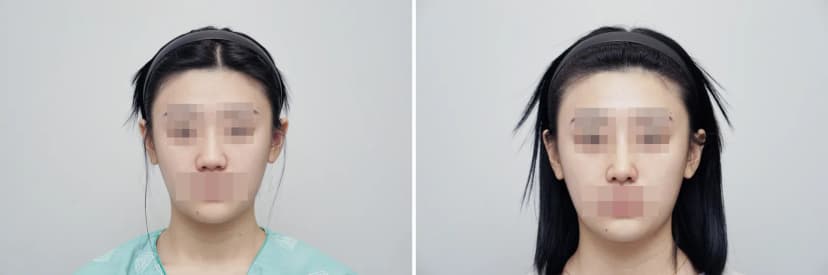
Example case (hump nose, bulbous tip): front view before surgery (left) and 2 weeks after (right). Procedures: silicone bridge implant, tip with septal and donor rib cartilage, hump reduction, bulbous tip refinement, short-nose correction, osteotomy. Results vary between individuals; swelling, bruising, asymmetry and infection are possible risks. Shared with the patient's consent; eyes and mouth are pixelated for privacy.
Full rhinoplasty with an implant
A silicone implant raises the bridge, and cartilage from the septum, the ear or a donor shapes the tip. This is the plan I suggest for a low, flat bridge. The bridge settles first; the tip carries most of the swelling. It fits the 7-to-14-night stay.
Hump removal and bone narrowing
Cutting and moving the nasal bones adds bruising around the eyes, which usually turns yellow and fades over the second week. If your flight is on day 7, expect some of it to be visible at the airport.
Rib cartilage
I use rib cartilage when a revision lacks enough cartilage and in most contracted noses. It adds a chest incision that is often sore for the first days, especially when you sit up or cough. With rib, I'd lean toward the longer end of the stay; there is more detail in rib cartilage rhinoplasty recovery for the nose and chest.
Septal extension
Lengthening or lowering the tip on a strut of cartilage makes it feel stiff, and for a while the upper lip can feel tight when you smile.
Minimal-incision tip work
This is the lightest tip option on my menu. Recovery from it tends to be quicker, and the amount of change is smaller too.
Say you're 33, with thick skin, a low bridge and a round tip, and a surgeon at home told you the tip won't change much. You have ten days of leave. A full rhinoplasty with cartilage support for the tip fits that window: cast off on day 7, a flight on day 8 or 9, inner stitches at home with the referral letter.
If your septal cartilage turns out too small for the support the tip needs and rib becomes the alternative, I'd rather you stretch the leave than fly on day 7 with a sore chest and a fresh tip. I'd also tell you plainly that thick skin limits how sharp a tip can become, so the design aims for a tip that suits your face rather than the pinched tips in some online photos.
Wondering which type your nose is?
Share your front, 45-degree and side photos — the surgeon will tell you which procedures your nose would actually need. No cost, no obligation.
Ask which procedure fits meYour days in Seoul, from surgery to the flight
The fixed points are day 7 and day 14; the rest of the trip fits around them.
| Day | What happens | What it means for you |
|---|---|---|
| Day 1 | Face-to-face consultation, any exams needed, design and cost confirmed, then surgery | Land the day before if you can |
| Days 2–6 | Follow-up checks from the day after surgery: gauze inside the nose removed, swelling checked, prescriptions and aftercare instructions | Stay close to the clinic; rest and short walks |
| Day 7 | Progress checked, cast and outer stitches removed | Earliest day to fly, with a referral letter and surgery certificate |
| Days 8–13 | Swelling and bruising keep going down | Light sightseeing if you stay on |
| Day 14 | Stitches inside the nose removed | End of the longer stay |
Count forward before you book flights. The clinic is open weekdays 10:00 to 19:00 and Saturdays 10:00 to 16:00, and closed on Sundays and public holidays, so if day 7 falls on a Sunday, ask about shifting the surgery date instead of the flight. There is a closer look at weighing 7 nights against 14, and the clinic's English page on rhinoplasty in Korea sets out the stay alongside the photo consultation.
Flying on day 7 trades a second hotel week for having the inner stitches removed at home. Staying to day 14 keeps every step in Seoul with the same surgeon.
Once you know which flight you'd prefer, send the dates on WhatsApp with a note on anything done to your nose before, and ask whether day 7 or day 14 suits your plan.
What if your nose has had surgery before?
Add time, and expect the tip to take longer. Scar tissue from an earlier operation swells more and settles more slowly than a nose operated on for the first time.
A revision often needs more grafting, because earlier surgery may have used up the septal cartilage, and that is where rib cartilage comes in. A contracted nose, where scar tissue has pulled the tip up and tightened the skin, is the case where I use rib most. We're set up for revisions, including contracture, and I'd plan a revision at the 14-night end of the stay, keeping the change within what scarred skin can stretch to. For tip-only revisions, tip revision recovery, day by day covers what's different.
Which parts of recovery happen after you fly home?
Most of the visible change does. By the flight, bruising is fading and the cast is off; what follows is slower and quieter.
The part of Asian rhinoplasty recovery time that happens at home is mainly the tip. Expect it to look fuller in the morning and slimmer by evening, to feel firm to the touch, and to stay partly numb for a while; feeling usually returns gradually over months. Keep glasses off the bridge and save hard exercise and contact sports until your surgeon clears them; many surgeons ask for several weeks.
If you flew home on day 7, a doctor there removes the inner stitches around day 14 using the referral letter and surgery certificate. After that, recovery is guided from your progress photos: send them on WhatsApp, and send one sooner if something looks different from the day before. For the months laid out in order, see the recovery timeline from Seoul to home.
If you want to see how real noses changed and how many months after surgery each photo was taken, browse TIANA's rhinoplasty case gallery before your consultation.
Risks that can stretch your recovery
Most recoveries follow the plan. A few things can lengthen one, and it helps to know them before you choose a flight.
- Infection around an implant or graft: increasing redness, warmth, pain or discharge, usually in the first weeks.
- Bleeding, or blood collecting inside the nose, mostly in the first days.
- Breathing that stays blocked after the swelling has gone down.
- An implant that shifts or shows its edge, more likely under thin skin.
- Slow-settling swelling on thick skin, which is a delay rather than a complication.
People who should wait: anyone with a cold or sinus infection near the surgery date, anyone who can't safely pause blood-thinning medicine, and smokers who can't stop for several weeks around surgery, since smoking slows skin healing. Healing speed differs from person to person, which is one reason I'd rather you leave a spare day than book the tightest flight.
If one of these shows up after you're home, see a local doctor with your referral letter and surgery certificate, and send a photo on WhatsApp the same day, because your aftercare stays with the surgeon who operated.
If you're still unsure how long to ask your employer for, a set of photos and your leave window are enough to start on WhatsApp, and you can ask before booking anything. Ask which parts of the plan you'd keep if your leave can't stretch. In Seoul, the 3D-CT gives me a first look at how much septal cartilage there is to work with, which is often what decides whether rib comes into it and how long you stay.
Cases close to this concern
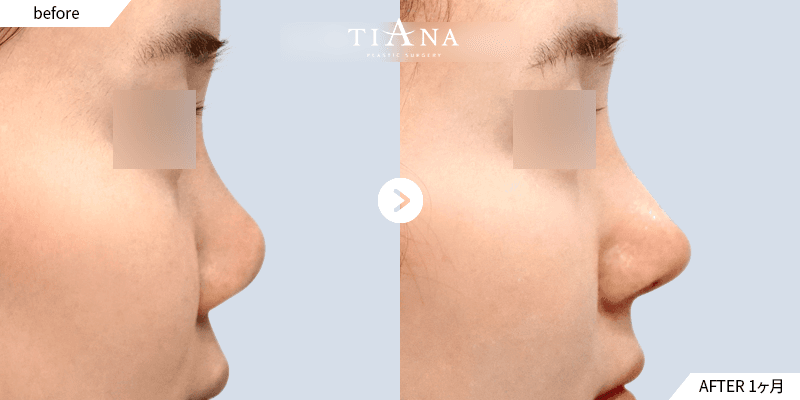
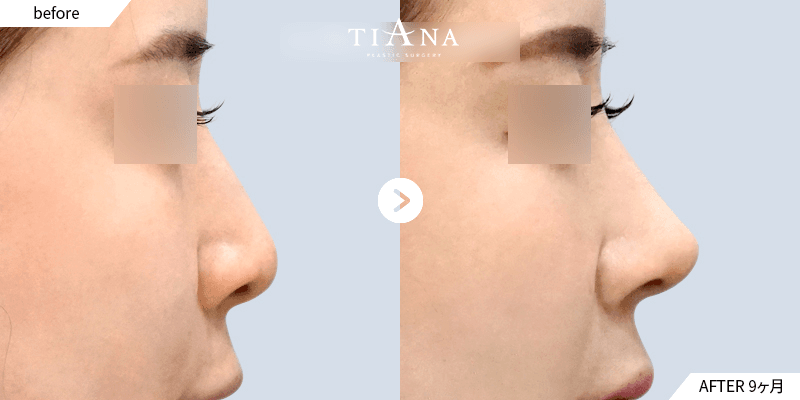
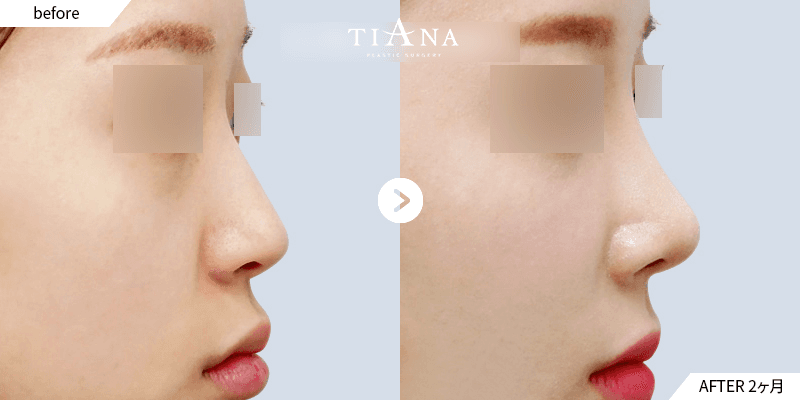
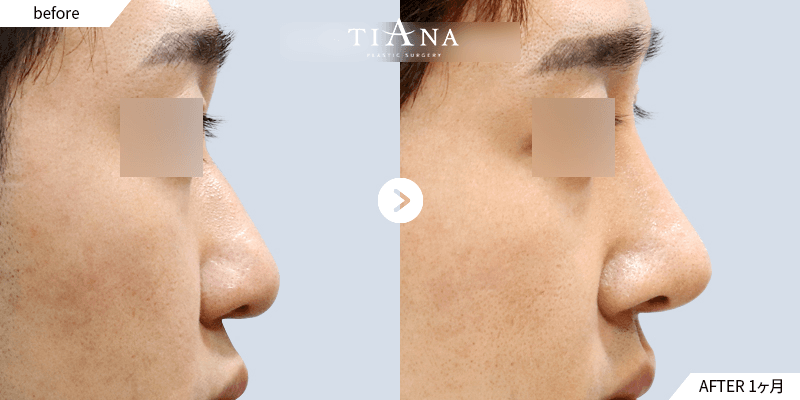
Before and after at TIANA (shared with patient consent) 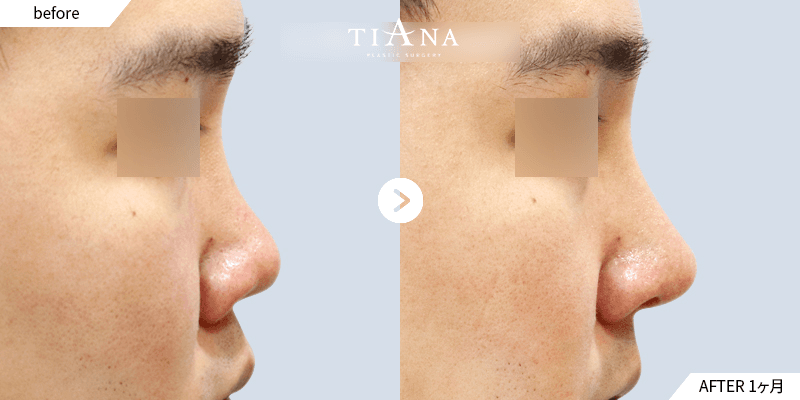
Before and after at TIANA (shared with patient consent) 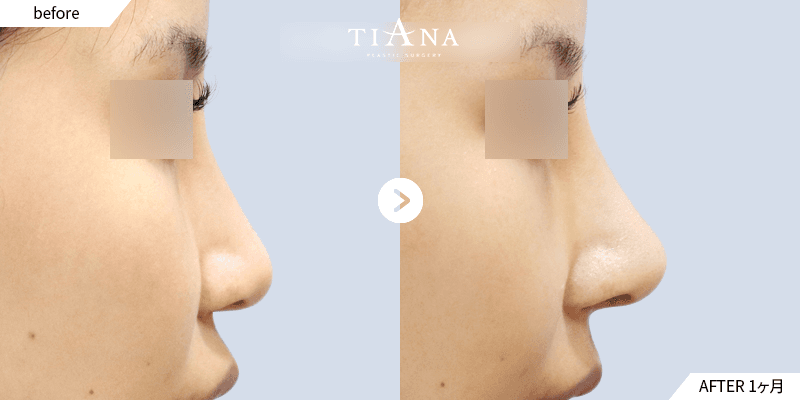
Before and after at TIANA (shared with patient consent) 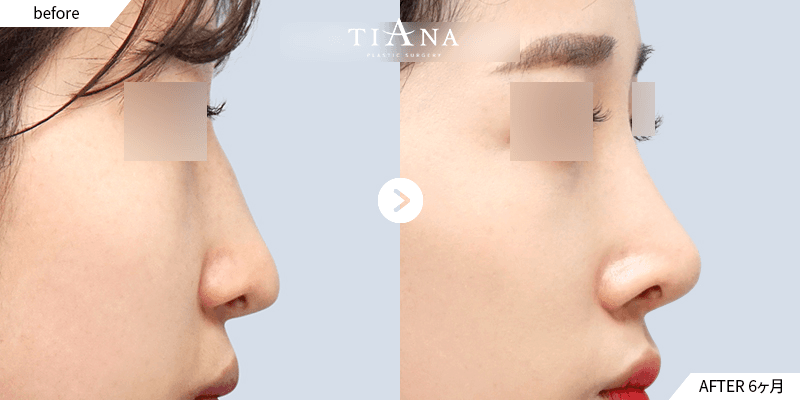
Before and after at TIANA (shared with patient consent)
* Results vary between individuals. Photos show TIANA patients.
Korean patients talk about their surgery
Videos from Korean patients who had surgery at TIANA (Korean, YouTube). Patients from Japan, Taiwan and English-speaking countries also contact us every month on LINE and WhatsApp.


Read TIANA reviews on Google Maps
From first message to flying home
Photo consult on WhatsApp
Send 5 photos and a photo of the nose you would like. The free reply in English explains the likely scope and how the estimate is worked out.
Video consult (optional)
On Google Meet you talk with the surgeon first, then the consultation manager explains the estimate. Free, with an interpreter.
Visit and 3D-CT
A 3D-CT scan and the surgeon's examination confirm the final plan and fee. An interpreter joins the consultation.
Surgery
The surgeon who consulted you performs the surgery and also manages the anesthesia.
Day 7 and day 14
The splint and outer stitches come off around day 7, the inner stitches around day 14. After you fly home, send progress photos on WhatsApp.
Frequently asked questions
Q1Can I go back to a desk job after one week?
Many people return to desk work in the second week, once the cast is off. Bruising may still show on video calls, and the tip will look fuller than it will later. If your job is on camera or physical, plan more time.
Q2When can I wear glasses again?
Glasses rest exactly where the bridge is healing, so many surgeons ask you to keep them off for several weeks after the cast comes off. Contact lenses are usually easier once the swelling around the eyes goes down. Ask for your own date at cast removal.
Q3Does the minimal-incision tip procedure need the full 7 to 14 nights?
Its recovery tends to be quicker, so a stay at the shorter end is more realistic than with a full rhinoplasty. Confirm the nights for that specific procedure when you send your photos.
Q4Will the long flight make the swelling worse?
Sitting for hours and cabin pressure can make the nose feel puffier for a day or so. Keep your head up when you sleep on the plane, drink water, walk the aisle, and expect it to settle again within a day or two of landing.
Q5Do I need to protect my nose from the sun?
Yes. Bruised and healing skin can darken with sun exposure. Wear a wide-brimmed hat in the first weeks and use sunscreen on the nose once the incisions have healed.
Thank you for reading to the end.
Send 5 photos (front, 45-degree and side) on WhatsApp for a free photo consultation. We reply in English with the likely scope of surgery and how the estimate is worked out.
Send my photos on WhatsAppThis article is general information about elective cosmetic surgery and is not a diagnosis. Results and recovery vary between individuals. Before-and-after photos are published with patient consent; surgery carries risks such as swelling and bruising and requires downtime. Final procedures and fees are decided after examination.