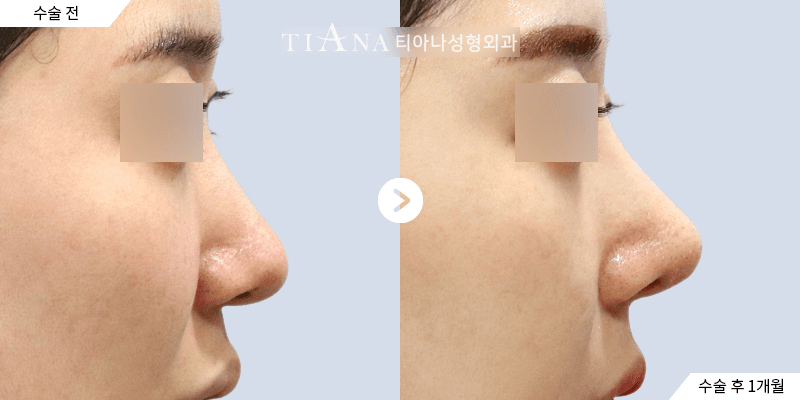
Cost of Rhinoplasty in South Korea: What Moves It
Worried that the cost of rhinoplasty in South Korea will look different once you're sitting in a Seoul consultation room, thousands of miles from home?
By the end of this guide, your questions about rhinoplasty should turn into a clear next step.
Send 5 photos (front, 45-degree and side) on WhatsApp and we will reply in English with a free first assessment: the likely scope of surgery and how the estimate is worked out.
Send my photos on WhatsAppRead this before you compare quotes or book the flight.
By the end, you'll know which methods move the cost, which common review claims hold up, and how recovery nights add to the trip. That should make it easier to judge which plan suits your nose and your budget.
Hello, I'm Dr. Choi Hang-seok, Head Surgeon at TIANA Plastic Surgery in Gangnam, Seoul.
TIANA does rhinoplasty and revision rhinoplasty, nothing else. I handle you 1:1 from consultation to surgery and aftercare, and before surgery, 3D-CT imaging maps your bone and nasal structure.
I wrote this because people often compare two quotes side by side when the quotes actually describe two different operations.
There's no single figure. The cost of rhinoplasty in South Korea depends on how much of the nose is changed, what material supports it, whether it's a first surgery or a revision, and how many nights you stay in Seoul.
If you'd like to see where your own nose sits on that scale, send 5 photos (front, 45-degree and side) on WhatsApp and ask one question: which parts of my nose would a plan need to touch?
What decides the cost of rhinoplasty in South Korea?
Five things set the figure for your nose, and only one of them is about the trip.
Scope comes first. Refining a round tip is a smaller operation than raising a low bridge and supporting the tip at the same time, which is what full rhinoplasty means here. Reducing a hump and narrowing a wide bony bridge with osteotomy adds bone work. Lengthening a short or upturned nose with septal extension adds cartilage work at the tip.
Material comes next. A bridge can be raised with a silicone implant or with your own tissue: ear, septal or rib cartilage, dermis or fascia. Donor rib cartilage is another option. Rib cartilage means a second small surgical site on the chest and usually a longer operation, so rib cartilage rhinoplasty tends to sit at the more involved end of any quote.
Then there's your own tissue. Thick skin or soft tip cartilage often needs more structural support before the tip shows any change, and that support has to come from somewhere.
A revision changes the picture again. After surgery elsewhere, there's scar tissue, and the septal cartilage may already have been used, so material may need to come from the ear or rib. I perform revision rhinoplasty, including contracture cases. As a rule, a revision takes more time and more material than a first operation.
Last comes the trip itself. How long the operation runs and the anesthesia it needs shape the medical side of the figure. Your flights and 7 to 14 nights of accommodation in Seoul sit on your side of the budget.
Because of all this, I quote for your nose rather than from a list. A first estimate can come from your photos on WhatsApp, and the final fee is confirmed after the examination in Seoul.
If you searched in rupees, dollars or pounds, I won't convert anything here. Exchange rates move, and a figure that isn't built on your own nose would mislead you more than help you. Ask on WhatsApp what it would cost for your case, with a photo.
Rhinoplasty methods and what each adds to the quote
Each method on our menu works on a different part of the nose, and that part is where the cost comes from.
| Method | What it changes | What moves the cost |
|---|---|---|
| Minimal-incision tip work | A light tip refinement, sometimes without an implant | Small scope; tends to recover faster |
| Bulbous tip correction | A round, heavy tip, by bringing the tip cartilage together | Skin thickness; whether the tip needs extra support |
| Full rhinoplasty | A low or flat bridge plus the tip, as one profile | Implant or own tissue; two areas at once |
| Hump reduction and osteotomy | A bump or a wide bony bridge | Bone work, often combined with tip work |
| Septal extension | A short or upturned nose, the tip angle | How much cartilage is needed and where it comes from |
| Revision rhinoplasty | A nose after previous surgery, including contracture | Scar tissue; cartilage already used |
Flat nose rhinoplasty, as people usually search it, falls in the full rhinoplasty row. A raised bridge rarely looks right over an unsupported tip, which is why I design the bridge and tip together as one profile.
Rhinoplasty for a deviated septum is a slightly different question. Functional rhinoplasty, for the septum and other functional problems, is on our menu. If you have trouble breathing through one side, say so in your first message, because it can change the scope.
The incision approach is another thing forums argue about, and six common closed rhinoplasty claims are checked here.
Wondering which type your nose is?
Share your profile and front photos — the surgeon will tell you which procedures your nose would actually need. No cost, no obligation.
Ask which procedure fits meWhat do rhinoplasty reviews get right about cost?
Review threads are where most people get their first sense of a number. Three claims come up again and again.
“The online quote was what I paid.” Sometimes it is, but a photo estimate is still an estimate. Photos show the outside. 3D-CT and an exam show the bone, the cartilage and the skin, and the final fee is built on those. When the two differ, it's usually because the exam found something photos can't show, such as weak tip cartilage.
“Asian noses always need rib cartilage, so it's always the expensive option.” That isn't true as a rule. A review of Asian rhinoplasty in Plastic and Reconstructive Surgery Global Open describes both implants and the patient's own cartilage as current options. The right material is the one your nose needs, and for many noses, septal or ear cartilage is enough.
“Swelling is gone in a week, so a short trip is enough.” That's half true. The splint comes off around day 7, which is why a one-week stay is possible. But the American Society of Plastic Surgeons notes that the first swelling goes down over a few weeks, and the final contour can take up to a year to refine. For your budget, that means you don't stay until you look finished. You stay until the steps that need a surgeon are done.
Package deals come up a lot too. A fixed bundle sets the scope before anyone has examined your nose, and I've written about when a South Korea rhinoplasty package is the wrong fit.
To test your own quote against these claims, write down when and what was done if you've had nose surgery before. Then ask on WhatsApp whether your plan would need ear, septal or rib cartilage.
A worked example: low bridge, round tip, ten days off
Say you have a low, flat bridge, a round tip with fairly thick skin, and ten days of leave including both flights.
I'd start with the tip, not the bridge. Under thick skin, a tip only looks more refined if the cartilage underneath gives it structure, so the plan would likely include tip support with cartilage. Raising the bridge on its own would make the round tip look heavier, so bridge and tip would be planned together, which is full rhinoplasty. Your cost would then come down mainly to material: an implant with septal cartilage for the tip is a different operation from one that needs rib cartilage.
Then comes the calendar. Ten days gives you roughly seven or eight nights in Seoul. That's enough for the splint and outer stitches to come off around day 7, but not for the inner stitches around day 14. If you fly home on day 7, you leave with a referral letter and a surgery certificate.
Doctor's note
Rhinoplasty is delicate surgery where a fraction of a millimetre changes a face. I would rather plan the smallest change that makes your nose fit your face than add height your skin can't carry. More material raises the cost and the stakes together, and I'd rather you pay for the right plan once than for a second operation later.
How many nights in Seoul does recovery take?
Plan on 7 to 14 nights, and at least 7. The splint and outer stitches come off around day 7 and the inner stitches around day 14. The exact timing is confirmed at surgery.
Those nights are a cost line of their own, and they're the one you control. Seven nights keeps accommodation down, but you leave with inner stitches still in and visible swelling. Fourteen nights lets both removals happen in Seoul. We also have high-concentration oxygen care, which helps with swelling after surgery.
The clinic is open on weekdays from 10:00 to 19:00 and on Saturdays from 10:00 to 16:00. It's closed on Sundays and public holidays. If a removal day falls on a Sunday or a holiday, leave room for that in your hotel booking. To see how the days between the cast coming off and the flight home can go, read cast off, then fly.
Risks and side effects to know before you pay
Swelling, bruising, a blocked feeling in the nose and some numbness at the tip are common in the first weeks and settle gradually. The American Society of Plastic Surgeons lists less common risks that include infection, poor wound healing, difficulty breathing, a hole in the septum, an appearance you're unhappy with and the possibility of further surgery.
As general medicine, it's usually wiser to wait if your nose is still growing, if you have an infection or inflamed skin on or around the nose, if you're pregnant or breastfeeding, or if an earlier nose surgery hasn't settled yet. Smoking and blood-thinning medication slow healing and raise the risk of bleeding, so mention either when you first get in touch.
If you notice heavy bleeding, fever, spreading redness or trouble breathing after you fly home, see a doctor there promptly and bring your referral letter and surgery certificate. The CDC's medical tourism guidance also advises keeping copies of your medical records and arranging follow-up care at home before you travel. Results vary, and whether a plan suits you is decided at the in-person exam.
How do I get a figure for my own nose?
A figure is only useful if it's built on your nose. Send 5 photos (front, 45-degree and side) on WhatsApp, taken in daylight, with your travel dates and one question: what would this cost for my nose, and how many nights should I plan?
One set of photos is enough to start, you can ask before booking anything, and the reply comes in English. When you come to Seoul, I examine your nose with 3D-CT and recommend the plan that fits it.
Frequently Asked Questions
Q1Can you give me a price in rupees, dollars or pounds?
I don't publish figures or conversions, because the fee is quoted for your nose and exchange rates change. Send photos on WhatsApp for a first estimate; the final fee is confirmed after the examination in Seoul.
Q2Is rib cartilage rhinoplasty more expensive than using an implant?
It's usually a larger operation, with a second small surgical site on the chest and more operating time. It's chosen only when your nose needs that much support. Donor rib cartilage is also an option.
Q3Does a revision cost more than a first rhinoplasty?
Often, yes. Scar tissue and cartilage that has already been used tend to make a revision longer and more involved. TIANA performs revision rhinoplasty after surgery elsewhere, including contracture cases.
Q4Will a deviated septum change my quote?
It can. Functional rhinoplasty for the septum and other functional problems is on our menu, so mention any breathing problems in your first message.
Q5What if I fly home before the inner stitches come out?
If you fly home on day 7, you get a referral letter and a surgery certificate to take to a doctor at home. The inner stitches usually come out around day 14.
Thank you for reading to the end.
Send 5 photos (front, 45-degree and side) on WhatsApp for a free photo consultation. We reply in English with the likely scope of surgery and how the estimate is worked out.
Send my photos on WhatsAppThis article is general information about elective cosmetic surgery and is not a diagnosis. Results and recovery vary between individuals. Before-and-after photos are published with patient consent; surgery carries risks such as swelling and bruising and requires downtime. Final procedures and fees are decided after examination.