When Can I Exercise After Rhinoplasty? Gym and Sport
How long after rhinoplasty can I workout again, and will the weeks off cost me the fitness I spent a year building?
30-second check
Check which procedure fits your nose
Pick what applies. Related procedures appear, and you can send your answers straight to WhatsApp. No name or email needed.
Pick at least one concern to see the related procedures.
Send this on WhatsAppWhatsApp opens with your answers already typed. Then send 5 photos (front, both 45-degree angles, both sides) and, if you have one, a photo of the nose you would like.
Not opening? Copy the message and open WhatsAppWalking is fine within the first days.
Hello, I'm Dr. Choi Hang-seok, Head Surgeon at TIANA Plastic Surgery in Seoul.
TIANA does rhinoplasty and revision rhinoplasty, nothing else, and I'm the surgeon who consults with you, operates and checks your recovery. Dr. Choi manages the anesthesia himself.
If you have a race, a season or a competition on the calendar, send a side photo of your nose and that date on WhatsApp, and ask how the surgery would sit around it. You can write in English, and one photo is enough to start.
Why does your blood pressure matter more than your muscles?
For the first two weeks, the risk from exercise has little to do with stitches. It's pressure. The lining inside your nose is full of small vessels that are still sealing. A hard interval, a heavy squat where you hold your breath, or a long head-down stretch pushes blood toward the face. The result can be a nosebleed, a tip that stays puffy longer, or, less often, a collection of blood under the skin (a hematoma) that may need to be drained.
Bone runs on a slower clock. If your surgery includes osteotomy, for example to close the gap left after a hump is removed, the nasal bones are cut and set in a new position. The splint holds them for the first week, but bone takes weeks to knit firmly.
Think of a freshly poured concrete path. You can walk on it after a day or two, but you'd keep a car off it for a while and a truck off it longer still. Your nose follows the same order: walking early, a jolt later, a direct hit last. For most people the bones are reasonably stable around six weeks, which is why that number keeps appearing for running and weights, while contact sport sits closer to two or three months.
How does exercise after rhinoplasty progress, stage by stage?
In short, this is the general pattern I'd expect after a full rhinoplasty with no complications. Bone work and septal work push the later rows back.
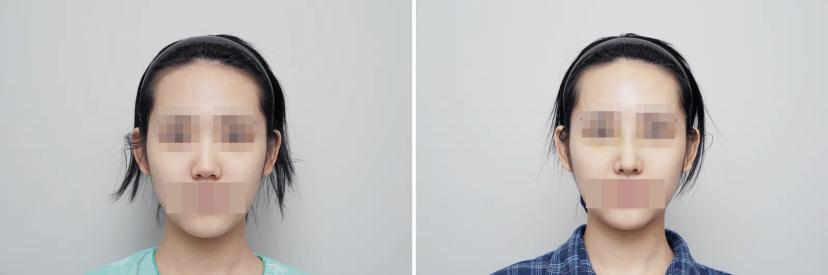
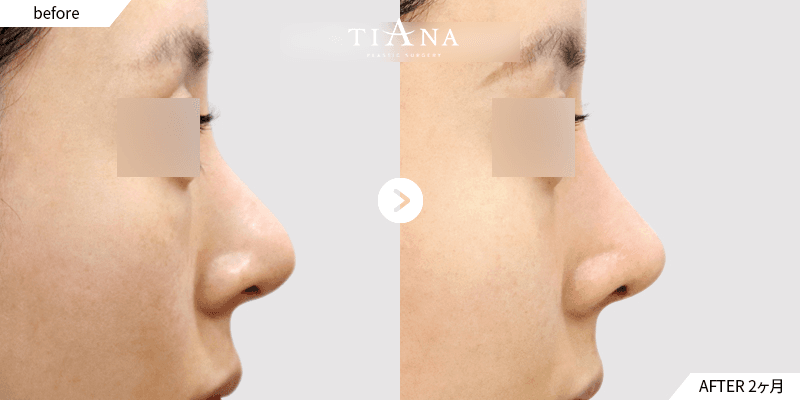
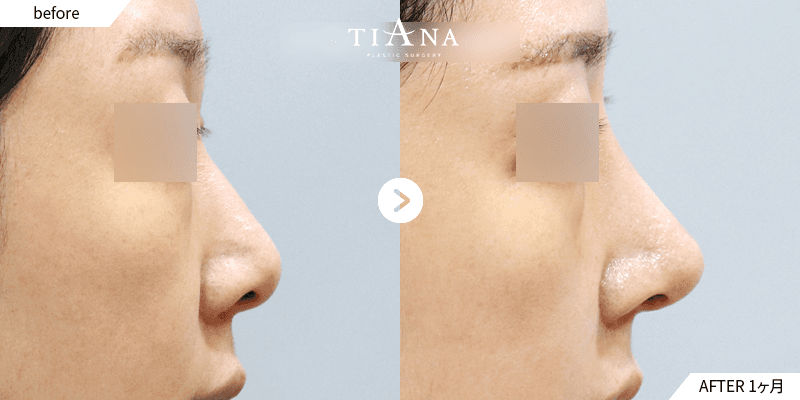
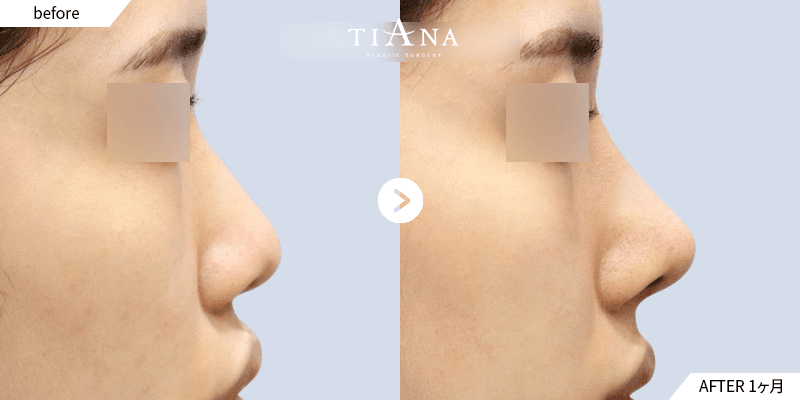
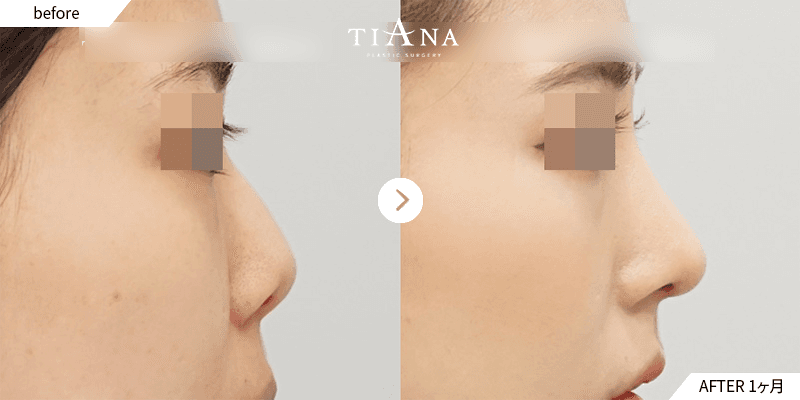
Example case (hump nose, bulbous tip): front view before surgery (left) and 2 weeks after (right). Procedures: silicone bridge implant, tip with septal and donor rib cartilage, hump reduction, bulbous tip refinement, short-nose correction, osteotomy. Results vary between individuals; swelling, bruising, asymmetry and infection are possible risks. Shared with the patient's consent; eyes and mouth are pixelated for privacy.
| When | What's usually fine | What still waits |
|---|---|---|
| Days 8–14 | Longer walks, including gentle slopes at an easy pace | Running, weights, saunas and hot rooms |
| Days 15–28 | Stationary bike, elliptical or brisk walking at a pace where you can still talk | Running, lifting, head-down poses |
| Days 29–42 | Easy running, light weights while breathing out through the effort | Max lifts, sprint intervals, hot yoga, sauna |
| Day 43 onward | Most training, built back up over a week or two | Contact sport, ball sports, martial arts: usually two to three months, longer after bone work |
Risks and side effects to know
Two checks matter more than the calendar. During the session, use the talk test: if you can't say a full sentence, you're working harder than your nose wants in the first month. The next morning, look at the tip. If it's noticeably puffier or feels tight, drop back one stage for a few days. The tip holds swelling longest, as I explain in why the nose tip takes longest to settle, so it's the first place to show you overdid it.
Straining isn't only a gym problem. A hard blow of the nose builds the same pressure, and when you can blow your nose after rhinoplasty follows a similar staged clock.
Wondering which type your nose is?
Share your front, 45-degree and side photos — the surgeon will tell you which procedures your nose would actually need. No cost, no obligation.
Ask which procedure fits meWhich exercises wait the longest?
Heavy lifting is about the breath-hold. Bracing for a heavy deadlift or squat raises pressure in the head far more than the weight on the bar suggests. When you go back, use lighter loads for more reps and breathe out as you push. Max attempts belong after six weeks.
Yoga is mostly about head position. Downward dog, forward folds and inversions put the nose below the heart. Upright stretching is fine early; head-down poses usually wait until around week five, and full inversions such as headstands until later.
Swimming waits until the incisions have closed and you've been cleared, which is usually a few weeks. Standard goggles sit on the eye sockets and are generally fine. A snorkel or dive mask rests on the bridge and presses exactly where the bones are healing, so leave it out of any beach trip in the first six weeks. That detail is the one most holiday plans miss.
Heat is the one people forget. Hot yoga, saunas and long hot baths widen blood vessels and bring swelling back, even when the exercise itself is light.
Contact and ball sports come last: football, basketball, boxing, martial arts, squash, anything where an elbow, a ball or the floor can meet your face. The bones need to be firm before they can take an impact. If you play at a level where a hit is likely, plan for the longer end, and ask about a protective face guard for your first weeks back.
Doctor's note
I would rather you lose six weeks of training than spend months waiting for a tip to settle. In the nose, a fraction of a millimeter changes a face, and a bone nudged out of place or a blood collection under the skin can't be fixed by training harder later. Fitness comes back faster than people expect; a shifted nasal bone does not move back by itself.
Why is walking your workout during your days in Seoul?
The stay for rhinoplasty is 7 to 14 nights, and the splint and stitches come off around day 5 to 7. In that window, walking is your exercise. Slow walks near your hotel or along the Han River are fine; save steep trails and the hotel gym for home. Sightseeing after rhinoplasty in Seoul goes through what fits on each day, and how many nights to stay for Korean rhinoplasty explains how the trip length is set.
One lift people forget is on the plane. Swinging a suitcase into the overhead bin in the first two weeks is a heavy, head-tilted effort. Check the bag in, or ask a travel companion or the cabin crew to lift it for you.
If you'd like to see how the consultation works before you think about dates, the rhinoplasty consultation page in English lays out the steps.
What if you're training for a 10K seven weeks after surgery?
Suppose you're 31, you run four times a week, and you'd like a small hump removed. Hump removal often comes with osteotomy, so the bone clock applies to you. If you fly home around day 10, a race at the end of week seven leaves you about three weeks of running beforehand.
Here is how I'd reason about it. Easy running would come back around week five. A race at week seven is possible as an easy run, but racing pace means hard breathing and the odd breath-hold when you push, the tip may still swell afterward, and a crowded start line is a place to get bumped. If that race matters to you, I'd move surgery a few weeks earlier rather than squeeze your training.
If you play rugby on weekends instead, the answer changes completely. That's two to three months before contact, so the start of your season usually decides the surgery date, and it's worth working backward from it.
If your calendar looks like either of these, add your training plan or the date of your next match to your message, and mention any old nose injury or previous surgery, since both change how long the bone side takes.
What can starting too soon cause, from bleeding and swelling to a knock to the nose?
What's common after exertion in the first month: the tip puffs up for a day, you notice a little blood-tinged discharge, or the nose feels blocked for an evening. These usually settle within a day or two once you ease off.
Some people should take the slower end of every range: anyone who had the nasal bones cut or a hump removed, anyone with septal work such as septal extension, revision patients (scar tissue and blood supply behave differently the second time), people with high blood pressure, and anyone taking blood-thinning medicine or supplements such as fish oil. Check with your surgeon before restarting those supplements. How quickly your own nose settles depends on your skin thickness, what was done and how your body heals, so treat the table as a guide, not a schedule.
If something happens after you're home:
- Light bleeding: sit upright, lean slightly forward, breathe through your mouth and stay still. Don't pack the nose or press on the bridge. Bleeding that hasn't slowed after 15 to 20 minutes needs an emergency department.
- A knock to the nose: if the shape looks different, the pain increases, or one side suddenly blocks, see a doctor locally the same day and send front and side photos on WhatsApp.
- Swelling that returns after a workout: stop training for a few days, sleep with your head raised, and send a side photo in daylight if it hasn't gone down within a week.
If you want to see how real noses changed and how many months after surgery each photo was taken, browse TIANA's rhinoplasty case gallery before your consultation.
How do you plan the surgery around your training before you book?
I'd rather fit your surgery around your training calendar than ask you to squeeze training around a nose that's still healing. If you compete, the month you choose for surgery matters as much as the method. Picking that month can wait until you know what your surgery involves.
To start, send three things on WhatsApp: a side photo in daylight, the next date you need to be fully training, and whether you've ever broken your nose. Ask how many weeks the surgery you're considering would keep you off heavy or contact training. If English isn't your most comfortable language, an interpreter joins your in-person consultation, and the deposit and payment method are only settled after the consultation, so asking first commits you to nothing. What sets your sport date in the end is whether the bones need to move, and that is what the 3D-CT scan shows.
— Dr. Choi Hang-seok, Head Surgeon
Cases close to this concern
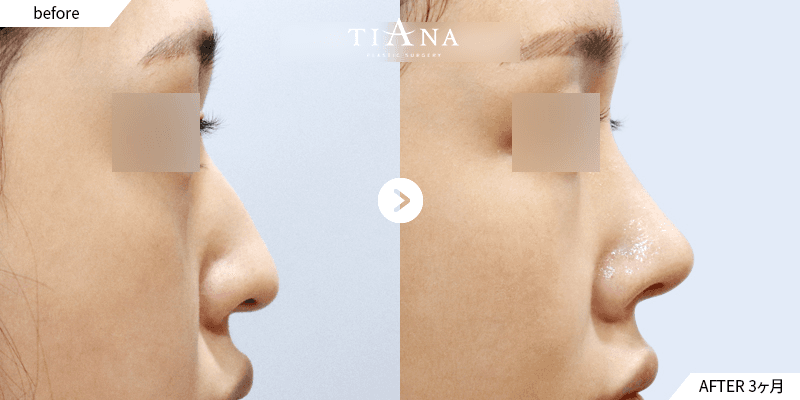
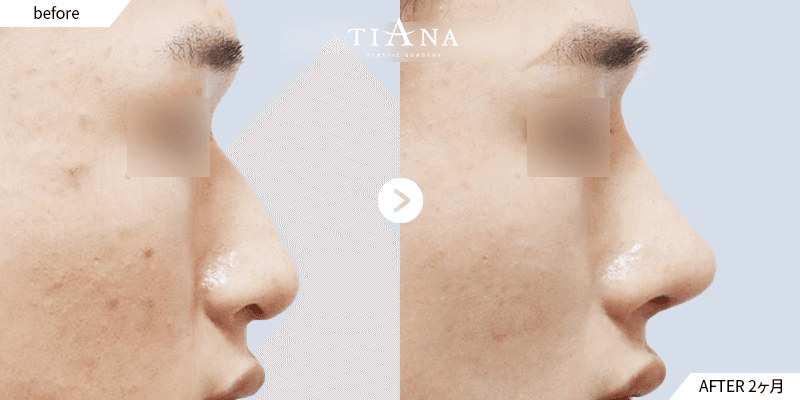
Drag the handle to compare before and after
TIANA case, shared with the patient's consent. Results vary.
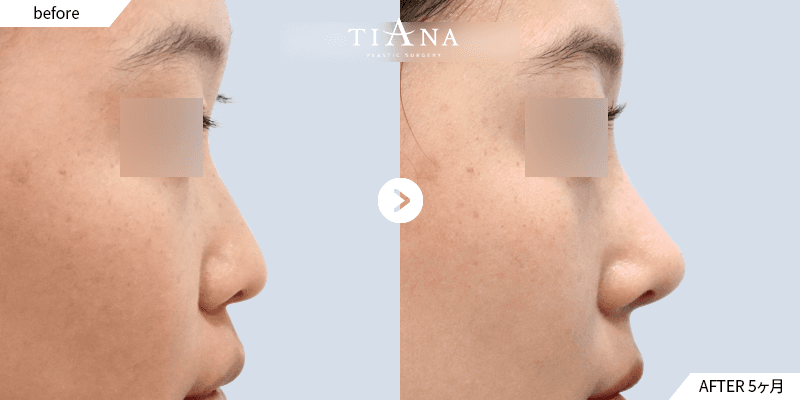
Before and after at TIANA (shared with patient consent) 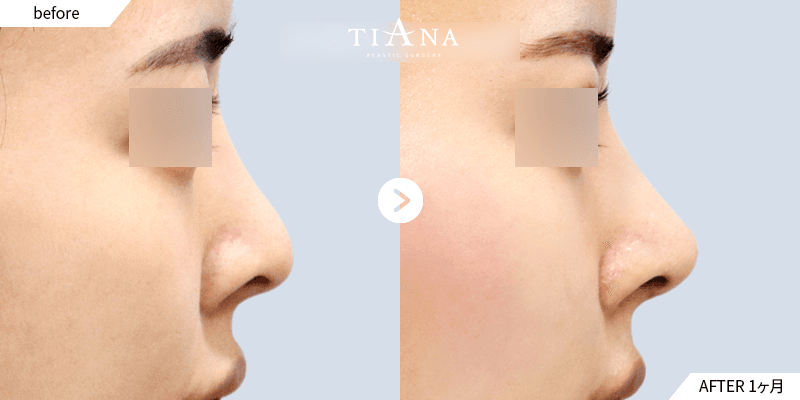
Before and after at TIANA (shared with patient consent) 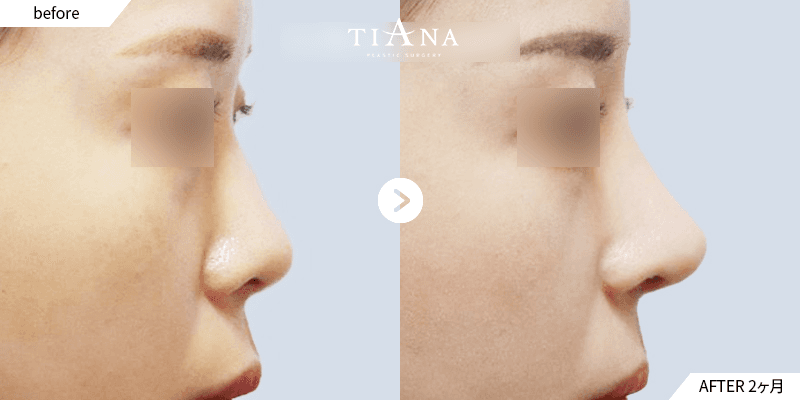
Before and after at TIANA (shared with patient consent)
* Results vary between individuals. Photos show TIANA patients.
See more cases →Korean patients talk about their surgery
Videos from Korean patients who had surgery at TIANA (Korean, YouTube). Patients from Japan, Taiwan and English-speaking countries also contact us every month on LINE and WhatsApp.


Read TIANA reviews on Google Maps
Start from your concern
Bridge concerns and what is considered
- Current shape
- Design direction (illustration)
Illustration only, not a result and not to scale.
What to consider
Silicone implant or own tissue
Low, flat bridge
From first message to flying home
Photo consult on WhatsApp
Send 5 photos and a photo of the nose you would like. The free reply in English explains the likely scope and how the estimate is worked out.
Video consult (optional)
On Google Meet you talk with the surgeon first, then the consultation manager explains the estimate. Free, with an interpreter.
Visit and 3D-CT
A 3D-CT scan and the surgeon's examination confirm the final plan and fee. An interpreter joins the consultation.
Surgery
The surgeon who consulted you performs the surgery and also manages the anesthesia.
Day 7 and day 14
The splint and outer stitches come off around day 7, the inner stitches around day 14. After you fly home, send progress photos on WhatsApp.
FROM THE SURGEON
A word from the surgeon
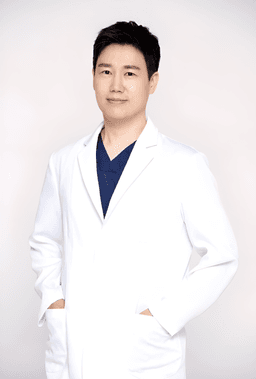
Bone, cartilage and skin thickness differ a lot between people, so the same operation name can need different steps.
Because I only treat noses, I can tell you at the consultation not just how far your nose can change, but where it is better not to push further.
Frequently asked questions
Q1Can I do push-ups or planks in the first month after rhinoplasty?
Both keep your head level with or below your heart and involve bracing, so hold them until around week five. When you restart, use short sets and keep breathing through each rep instead of holding your breath.
Q2Is it a problem to sweat under the nasal splint?
Light sweat on a walk is fine. A soaked splint can lift at the edges and irritate the skin underneath, which is one more reason the first week is walking only. Keep it dry, and if an edge lifts, don't re-tape it tightly yourself; send a photo on WhatsApp.
Q3When can I ride a bike outdoors after nose surgery?
A stationary bike at an easy pace is usually fine from week three. Road cycling adds a fall risk and a head-down riding position, so many surgeons suggest waiting until around week six. Mountain biking belongs with contact sport, at the two-to-three-month mark.
Q4Will one workout too early ruin my rhinoplasty result?
A single session that brings swelling back usually means a puffier tip for a few days, not a changed shape. What can change the shape is a direct hit or a blood collection under the skin. New pain, bleeding that won't stop or a nose that looks crooked after a session needs a doctor's check.
Q5Does open or closed rhinoplasty change when I can exercise?
The incision matters less than what was done underneath.
Thank you for reading to the end.
Send 5 photos (front, 45-degree and side) on WhatsApp for a free photo consultation. We reply in English with the likely scope of surgery and how the estimate is worked out.
Send my photos on WhatsAppThis article is general information about elective cosmetic surgery and is not a diagnosis. Results and recovery vary between individuals. Before-and-after photos are published with patient consent; surgery carries risks such as swelling and bruising and requires downtime. Final procedures and fees are decided after examination.