Is Rhinoplasty Painful? Bone, Packing, Warning Signs
Is rhinoplasty painful enough to make those first nights alone in a Seoul hotel miserable, far from anyone who knows you?
30-second check
Check what your bridge needs
Pick what applies. Related procedures appear, and you can send your answers straight to WhatsApp. No name or email needed.
Pick at least one concern to see the related procedures.
Send this on WhatsAppWhatsApp opens with your answers already typed. Then send 5 photos (front, both 45-degree angles, both sides) and, if you have one, a photo of the nose you would like.
Not opening? Copy the message and open WhatsAppYes, it hurts, but for most people the sharp part is short. What people remember is pressure: a blocked nose, a dull ache across the cheeks, and a headache from breathing through the mouth. Bone work and rib cartilage hurt more than tip work, and pain that grows after the third day is the kind to act on.
Hello, I'm Dr. Choi Hang-seok, Head Surgeon at TIANA Plastic Surgery in Seoul.
I operate only on noses, and I stay with you one-to-one from the first consultation through surgery and aftercare, so the doctor you describe your pain to on day three is the one who did the work. An anaesthesiologist is on staff. Before surgery, a 3D-CT shows me the nasal bones and the airway, the two places most post-operative discomfort comes from. If language is a worry, a medical interpreter for your language is provided at no extra charge.
To find out how much bone work your nose would involve, send five photos on WhatsApp (front, both three-quarter angles, both side profiles) and ask whether your plan would move the bones or only reshape the tip. You can write in English and ask before booking anything.
Where does the pain after rhinoplasty come from?
From three places, and each hurts differently: the bones if they are cut and moved, the swollen lining inside the nose, and the chest if rib cartilage is taken.
Risks and side effects to know
When a hump is removed and the nasal bones are narrowed, the surgeon makes controlled cuts in the bone (an osteotomy) and sets it in a new position. That step causes most of the bruising under the eyes and the ache across the upper face in the first days. Work on the tip alone involves cartilage and soft tissue, so the tip is sore and swollen, but there is usually far less bruising.
The lining inside the nose swells after any rhinoplasty. With a cast outside and gauze packing inside, you breathe through your mouth, sleep in short stretches and wake with a dry throat. Many people say this was the worst of it, and it is discomfort more than pain. The gauze comes out at the follow-up check after surgery, and breathing usually feels easier from that point.
Rib cartilage is taken through a short incision on the chest. The chest is often sorer than the nose for the first days, mainly when you cough, laugh or sit up in bed. I use rib cartilage when a revision lacks enough cartilage, and in most contracted noses.
Is rhinoplasty painful for everyone the same way?
No. Two people can have surgery on the same day and very different weeks, mostly because of what was done rather than how tough they are.
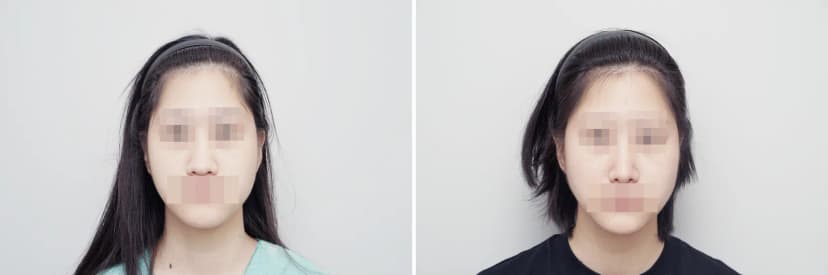
Example case (implant-free rhinoplasty, bulbous tip): front view before surgery (left) and 6 months after (right). Procedures: implant-free bridge with septal cartilage, tip with septal and donor rib cartilage, bulbous tip refinement, drooping-tip correction, columella and nasolabial angle adjustment. Results vary between individuals; swelling, bruising, asymmetry and infection are possible risks. Shared with the patient's consent; eyes and mouth are pixelated for privacy.
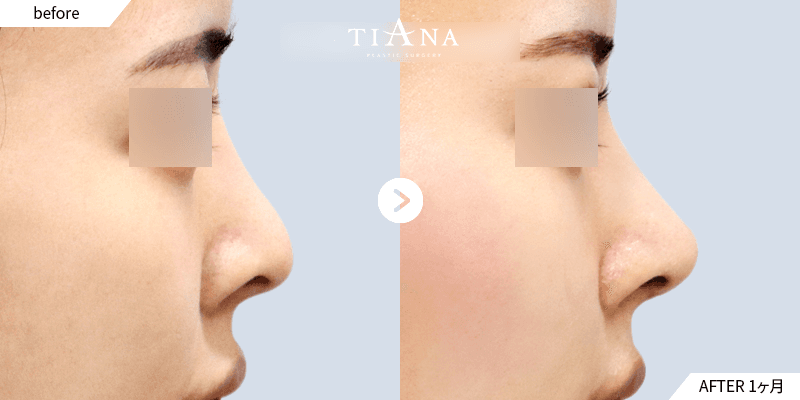
Scope moves the pain more than anything. A minimal-incision tip procedure is the lightest tip option on my menu, and recovery from it tends to be quicker. A full rhinoplasty that raises the bridge with an implant and shapes the tip with cartilage sits in the middle. Hump removal with bone narrowing adds bruising, and rib cartilage adds a second sore spot. Revision surgery works through scar tissue, which tends to stay swollen longer.
Say you have a modest hump and a round tip, and your flight home is on day 7. If the hump is small enough to be filed down without moving the bones inward, you avoid most of the bruising, and the hard part is two or three nights of a blocked nose. If the bones do need narrowing, I'd plan the first four days around rest and keep sightseeing for the second half of the week. Photos can suggest which of the two applies; the 3D-CT and the exam in Seoul settle it.
This is also why I recommend only the scope your nose needs. Bone work you don't need adds bruising and pain for no gain. Pain stories online often mix tip-only surgery, bone work and rib cartilage as if they were one operation, and the questions worth asking instead of trusting forum rankings help pull them apart.
Wondering which type your nose is?
Share your front, 45-degree and side photos — the surgeon will tell you which procedures your nose would actually need. No cost, no obligation.
Ask which procedure fits meWhat pain is normal after rhinoplasty, and what isn't?
A dull ache, pressure and a blocked nose that are worst in the first two or three days and then ease are expected. Pain that climbs instead of easing is not.
Expected in the first week:
- ache and pressure across the nose, cheeks and forehead
- bruising and swelling around the eyes, more after bone work
- a little blood-stained ooze on the first day
- a numb, wooden-feeling tip
- headache and dry mouth from mouth breathing
Not expected, and worth a message the same day:
- pain that is worse on day four than on day two
- fever, or redness and heat spreading over the nose or cheeks
- a fully blocked nose with a tense, painful swelling inside, which can mean blood collecting along the septum and needs draining quickly
- bleeding that keeps going despite sitting upright and gentle pressure
- chest pain, breathlessness or a swollen, painful calf, which needs emergency care wherever you are
Guidance from the American Society of Plastic Surgeons lists pain that may persist among the recognized risks of rhinoplasty, alongside bleeding, infection, breathing difficulty, numbness and the chance of needing a revision. Most people never meet these, but you should know what they look like.
Doctor's note
Pain on its own tells me little. Pain that changes direction tells me a lot. If your nose hurts more on day four than it did on day two, I want to hear about it that day, not at the cast removal. You won't be bothering anyone.
If this happens while you're in Seoul, message the clinic on WhatsApp straight away with a photo. If it happens after you've flown home on day 7, see a doctor there and bring the referral letter and surgery certificate you leave Seoul with; they describe what was done, which saves time in an emergency room. Send the clinic a photo as well, because your aftercare stays with the surgeon who operated.
If you've had nose surgery before, or you bruise easily, put that in your WhatsApp message along with the dates you're considering. A revision or a plan with bone work changes how you should pace the first week.
Getting through the first nights in a hotel
The first two nights are about breathing and sleep more than pain. A few small things make a real difference:
- Ask the hotel for two extra pillows at check-in. Sleeping with your head raised reduces swelling, and you won't want to go looking for pillows on the first night.
- Pack lip balm and a water bottle with a straw or sports cap. Mouth breathing dries everything, and tipping your head back to drink is awkward with a cast.
- Take the prescribed medicine on schedule for the first day or two rather than waiting until the ache builds.
- Cold packs go on the cheeks, never pressed on the cast or the bridge.
- Skip aspirin and similar anti-inflammatory painkillers unless your surgeon says otherwise, along with supplements such as fish oil, vitamin E and ginkgo; they can make bleeding more likely.
We also offer high-concentration oxygen care to support recovery from swelling after surgery. For how the ache changes across the stay, there's a day-by-day look at rhinoplasty pain.
So is rhinoplasty painful once you're home? For most people, by a flight on day 7 the pain has faded into tightness and a numb tip. The stay in Seoul is 7 to 14 nights: the cast and outer stitches come off around day 7, and the stitches inside the nose around day 14, removed by a doctor at home if you've already flown.
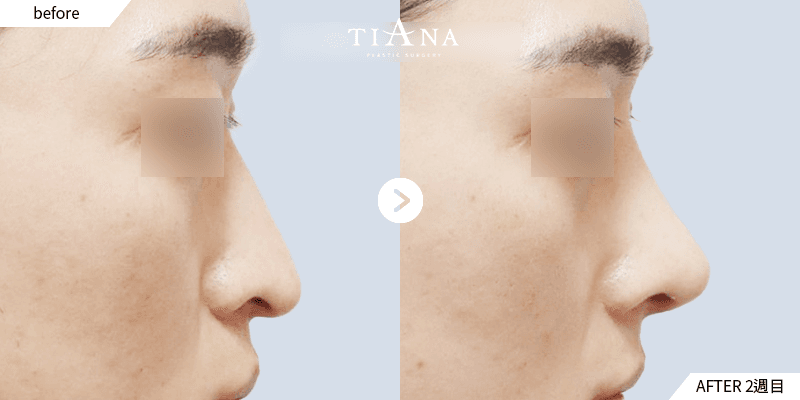
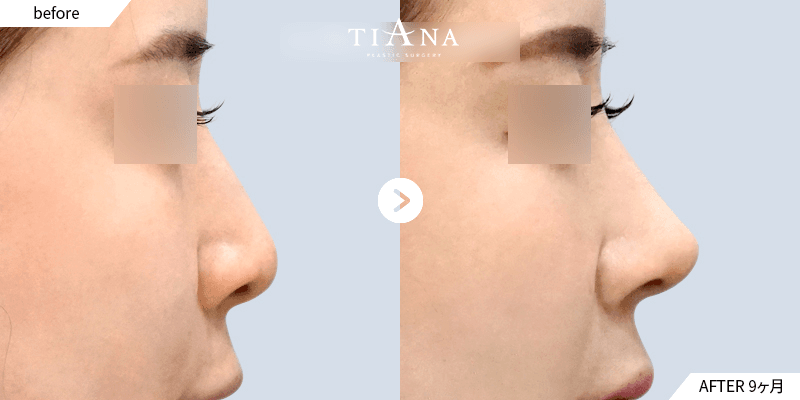
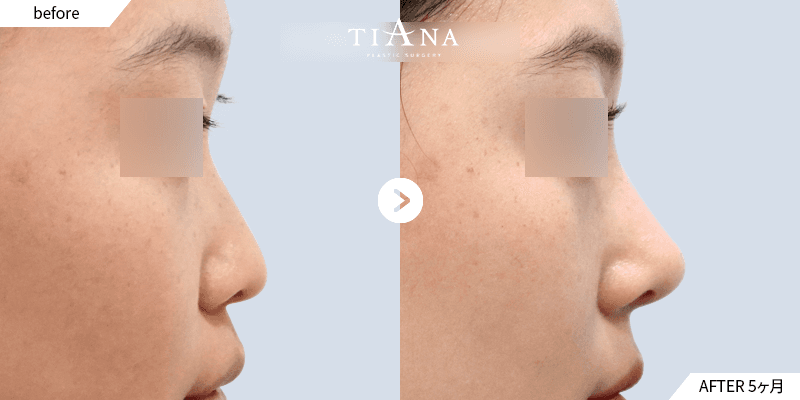
If you want to see how real noses changed and how many months after surgery each photo was taken, browse TIANA's rhinoplasty case gallery before your consultation.
When pain is a reason to change the plan
Some people are better served by a smaller plan, a longer stay or a later date, and pain is often where that shows up first.
- You take blood thinners and your prescribing doctor can't safely pause them. Bleeding risk goes up, and with it swelling and pain. Have that conversation with your own doctor before you book a flight.
- You have a cold, a sinus infection or an allergy flare close to the date. A congested nose before surgery means a harder first week, and moving the date is reasonable.
- Congestion sets off your migraines. Plan the longer end of the stay, and bring your usual treatment with your doctor's agreement.
- A package fixes the scope before anyone has examined you. If it bundles bone work and rib cartilage into a short stay, read about when a rhinoplasty package is the wrong fit first.
- Fear of pain is the main thing holding you back. Say so in your first message; sometimes the tip is the real concern, and a tip-only plan is a much lighter week.
Before you write, it helps to know which five photos to take for a rhinoplasty consultation. The clinic's English page on rhinoplasty in Korea sets out the stay, the photo consultation and what happens after you fly home.
When you're ready, send those photos on WhatsApp with your travel dates and any medicines you take, and ask how many nights your plan would need. One set of photos is enough to start, and you can ask before booking anything. In Seoul, the 3D-CT is where I check the bones and the airway before we settle how much to change, and that choice is what shapes the pain of your first week.
Cases close to this concern
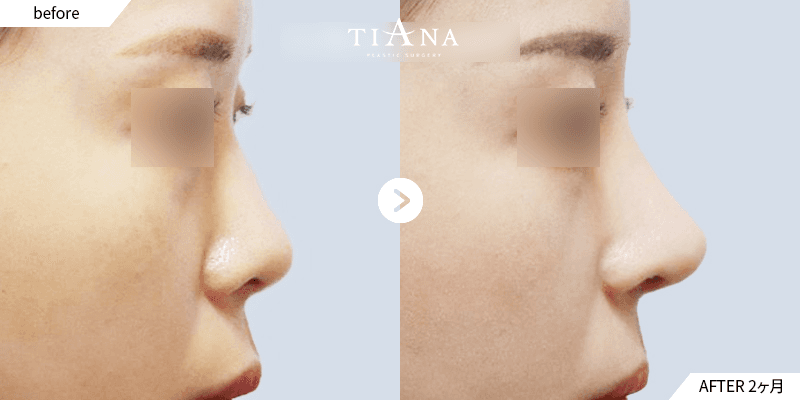
Before and after at TIANA (shared with patient consent) 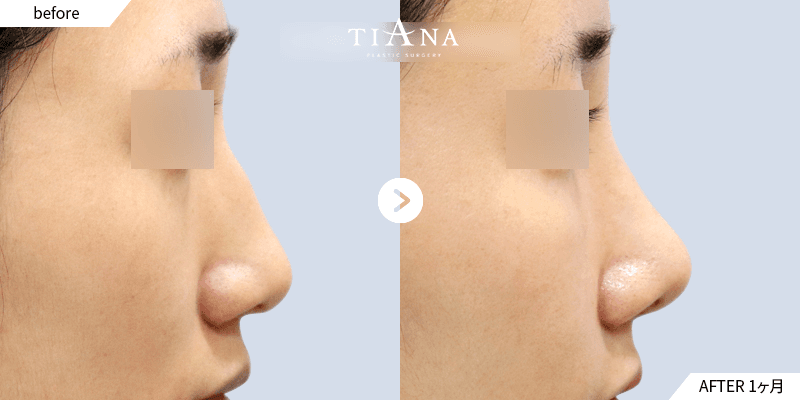
Before and after at TIANA (shared with patient consent) 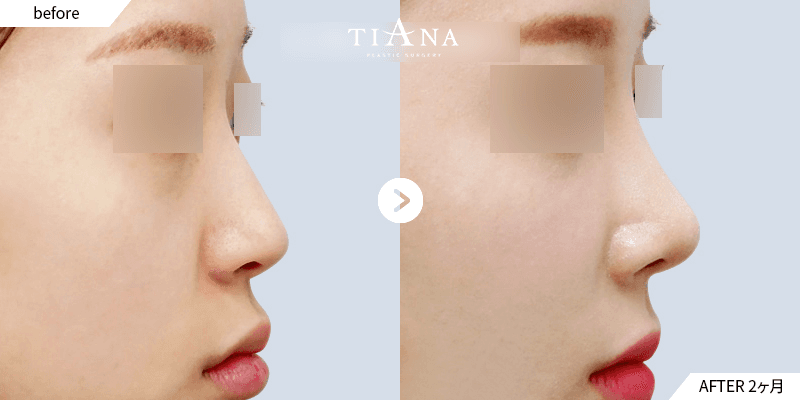
Before and after at TIANA (shared with patient consent) 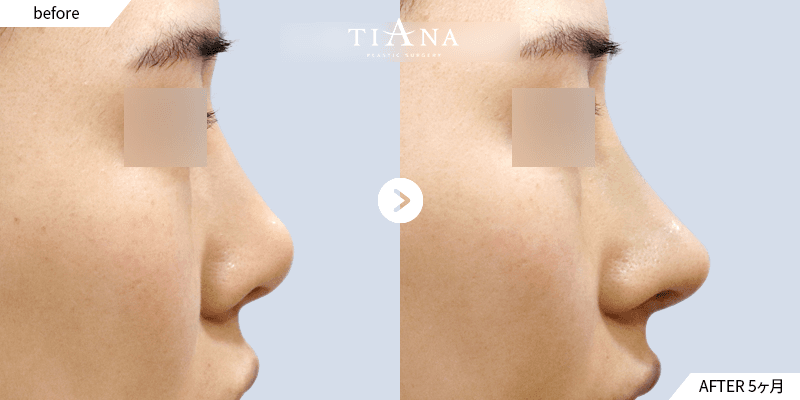
Before and after at TIANA (shared with patient consent)
* Results vary between individuals. Photos show TIANA patients.
Korean patients talk about their surgery
Videos from Korean patients who had surgery at TIANA (Korean, YouTube). Patients from Japan, Taiwan and English-speaking countries also contact us every month on LINE and WhatsApp.


Read TIANA reviews on Google Maps
From first message to flying home
Photo consult on WhatsApp
Send 5 photos and a photo of the nose you would like. The free reply in English explains the likely scope and how the estimate is worked out.
Video consult (optional)
On Google Meet you talk with the surgeon first, then the consultation manager explains the estimate. Free, with an interpreter.
Visit and 3D-CT
A 3D-CT scan and the surgeon's examination confirm the final plan and fee. An interpreter joins the consultation.
Surgery
The surgeon who consulted you performs the surgery and also manages the anesthesia.
Day 7 and day 14
The splint and outer stitches come off around day 7, the inner stitches around day 14. After you fly home, send progress photos on WhatsApp.
Frequently asked questions
Q1Will I feel anything during the operation itself?
No. Rhinoplasty is done under anaesthesia, and an anaesthesiologist is on staff at TIANA. Discomfort starts as you wake, usually as pressure and a blocked nose rather than sharp pain. Ask at booking which type of anaesthesia your scope needs.
Q2Does it hurt when the cast and stitches come off on day 7?
Usually only for a few seconds. The cast lifts off with a pulling feeling on the skin, and outer stitch removal stings briefly. A numb tip often means you feel even less.
Q3How long does the tip stay numb?
A numb or wooden-feeling tip is common after tip work. Feeling usually returns gradually over weeks to months as small nerves recover. Numbness that spreads or comes with increasing pain is different and worth a photo on WhatsApp.
Q4Can I fly home while my nose still aches?
Most people who fly on day 7 feel tightness rather than pain by then. During descent, sip water or chew to ease pressure, keep your head up if you sleep, and take your prescribed medicine before boarding if your surgeon has said it's fine.
Q5Which painkillers should I stop before surgery?
Aspirin and similar anti-inflammatory painkillers, and supplements such as fish oil, vitamin E and ginkgo, can increase bleeding. Stop them only with the agreement of the doctor who prescribed them, and list everything you take in your first message.
Thank you for reading to the end.
Send 5 photos (front, 45-degree and side) on WhatsApp for a free photo consultation. We reply in English with the likely scope of surgery and how the estimate is worked out.
Send my photos on WhatsAppThis article is general information about elective cosmetic surgery and is not a diagnosis. Results and recovery vary between individuals. Before-and-after photos are published with patient consent; surgery carries risks such as swelling and bruising and requires downtime. Final procedures and fees are decided after examination.